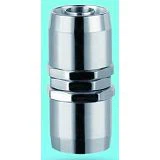
Are there any fire - resistant properties in specialty gas pipe fittings?
As a supplier of Specialty Gas Pipe Fittings, I often encounter inquiries regarding the fire - resistant properties of these crucial components. In the realm of gas systems, safety is of utmost significance, and understanding the fire - resistant capabilities of pipe fittings can be a deciding factor for many customers.
Specialty gas pipe fittings are designed to meet a variety of industrial and commercial needs. They are used in applications such as laboratories, medical facilities, and industrial manufacturing plants, where the handling and transportation of gases are common. Given the potential risks associated with gas leaks and fires, it is essential to assess whether these fittings possess fire - resistant qualities.
The Basics of Fire Resistance in Pipe Fittings
Fire resistance in pipe fittings is determined by several factors. One of the primary considerations is the material used in their construction. Different materials have varying degrees of resistance to heat and fire. For example, stainless steel is a popular choice for specialty gas pipe fittings due to its high melting point and excellent corrosion resistance. Stainless steel can withstand high temperatures without losing its structural integrity, making it a good candidate for fire - resistant applications.
When exposed to fire, the ability of a pipe fitting to maintain its shape and function is crucial. A fire - resistant fitting should prevent the spread of flames and hot gases through the pipe system. This is achieved through proper design and construction techniques. For instance, some fittings are engineered with special seals and gaskets that can withstand high temperatures and prevent gas leakage even under fire conditions.
The Role of Material Selection
As mentioned earlier, material selection plays a vital role in determining the fire - resistant properties of specialty gas pipe fittings. In addition to stainless steel, other materials like brass and copper are also used in the production of these fittings. Brass has good thermal conductivity and can dissipate heat quickly, which can help in reducing the risk of fire spread. Copper, on the other hand, has excellent corrosion resistance and can maintain its strength at relatively high temperatures.
However, it is important to note that not all materials are equally fire - resistant. For example, plastic fittings may not be suitable for applications where fire resistance is a concern. Plastic has a relatively low melting point and can easily catch fire, which can lead to catastrophic consequences in a gas system. Therefore, when choosing specialty gas pipe fittings, it is crucial to consider the fire - resistant properties of the materials used.
Testing and Certification
To ensure the fire - resistant properties of specialty gas pipe fittings, rigorous testing and certification processes are in place. These tests simulate real - world fire conditions and evaluate the performance of the fittings under extreme heat and pressure. Fittings that pass these tests are awarded certifications that indicate their compliance with industry standards.
For example, some fittings may be certified to meet the requirements of the National Fire Protection Association (NFPA) standards. These standards set the benchmarks for fire safety in various industries, including the gas handling sector. By choosing certified fittings, customers can have confidence in the fire - resistant capabilities of the products they are purchasing.
Applications and Benefits
The fire - resistant properties of specialty gas pipe fittings make them suitable for a wide range of applications. In industrial settings, where flammable gases are used, these fittings can help prevent the spread of fires and protect workers and equipment. For example, in chemical plants, where the risk of gas leaks and fires is high, fire - resistant fittings can be a critical safety feature.

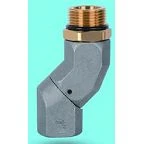
In laboratories, where the handling of various gases is common, fire - resistant fittings can provide an extra layer of protection. They can prevent the spread of fires in case of accidental gas releases, which can safeguard valuable research equipment and ensure the safety of laboratory personnel.
Moreover, the use of fire - resistant specialty gas pipe fittings can also reduce insurance costs. Insurance companies often offer lower premiums for facilities that use fire - resistant components in their gas systems, as they pose a lower risk of fire - related losses.
Our Product Offerings
As a leading supplier of Specialty Gas Pipe Fittings, we offer a wide range of products with excellent fire - resistant properties. Our stainless steel fittings are engineered to meet the highest industry standards and are thoroughly tested for fire resistance. We also provide Stainless Steel Hydraulic Fittings that are suitable for applications where both hydraulic performance and fire safety are required.
In addition, we offer Fuel Dispenser Hose that are designed to handle the transfer of fuels safely. These hoses are made from high - quality materials that can withstand high temperatures and prevent the spread of fires in case of fuel spills or leaks.
Contact Us for Procurement
If you are in the market for specialty gas pipe fittings with fire - resistant properties, we invite you to contact us for procurement discussions. Our team of experts is ready to assist you in selecting the right products for your specific needs. Whether you are in a laboratory, an industrial plant, or any other setting where gas handling is involved, we have the solutions to meet your requirements.
References
- National Fire Protection Association (NFPA) standards related to gas handling and fire safety.
- Industry research on the properties and applications of different materials used in pipe fittings.
- Technical reports on the testing and certification of fire - resistant pipe fittings.