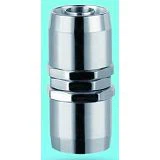
Can a Pipeline Check Valve be Used in a Horizontal Pipeline?
As a supplier of Pipeline Check Valves, I often encounter questions from customers regarding the suitability of these valves for horizontal pipelines. This blog post aims to provide a comprehensive analysis of whether a pipeline check valve can be used in a horizontal pipeline, exploring the technical aspects, advantages, limitations, and best practices.
Technical Considerations
Pipeline check valves are designed to allow fluid to flow in one direction while preventing backflow. They operate based on the differential pressure across the valve. When the pressure on the inlet side is higher than the outlet side, the valve opens, allowing fluid to pass through. Conversely, when the pressure on the outlet side exceeds the inlet side, the valve closes to prevent backflow.
In a horizontal pipeline, the orientation of the check valve is crucial. The valve must be installed in the correct position to ensure proper operation. Most pipeline check valves are designed to work effectively in horizontal pipelines when installed with the valve disc or flap in a horizontal position. This allows the valve to respond to the fluid flow and pressure differentials accurately.


However, it is important to note that the design and construction of the check valve can also influence its performance in a horizontal pipeline. Some check valves may have specific requirements or limitations regarding horizontal installation. For example, certain types of check valves may require additional support or reinforcement to prevent the valve disc from sagging or becoming misaligned due to the effects of gravity.
Advantages of Using a Pipeline Check Valve in a Horizontal Pipeline
There are several advantages to using a pipeline check valve in a horizontal pipeline:
- Prevent Backflow: The primary function of a check valve is to prevent backflow, which can cause damage to equipment, contaminate the fluid, or disrupt the flow process. In a horizontal pipeline, a check valve ensures that the fluid flows in the intended direction, maintaining the integrity of the system.
- Protect Equipment: By preventing backflow, a check valve helps protect pumps, compressors, and other equipment from damage caused by reverse flow. This can extend the lifespan of the equipment and reduce maintenance costs.
- Improve System Efficiency: A check valve can improve the efficiency of a horizontal pipeline by reducing the energy consumption associated with backflow. When the valve closes to prevent backflow, it eliminates the need for the pump to work against the reverse flow, resulting in energy savings.
- Enhance Safety: In some applications, backflow can pose a safety hazard. For example, in a water supply system, backflow can contaminate the potable water with sewage or other contaminants. A check valve helps prevent such incidents, ensuring the safety of the system and its users.
Limitations and Challenges
While pipeline check valves offer many benefits in horizontal pipelines, there are also some limitations and challenges to consider:
- Gravity Effects: In a horizontal pipeline, the effects of gravity can influence the performance of the check valve. The valve disc or flap may be affected by the weight of the fluid, causing it to sag or become misaligned. This can lead to improper sealing and increased leakage.
- Flow Velocity: The flow velocity in a horizontal pipeline can also affect the performance of the check valve. If the flow velocity is too low, the valve may not open fully, resulting in reduced flow capacity. On the other hand, if the flow velocity is too high, the valve may slam shut, causing water hammer and potential damage to the valve and the pipeline.
- Maintenance and Inspection: Regular maintenance and inspection are essential to ensure the proper operation of a pipeline check valve in a horizontal pipeline. Over time, the valve may become clogged with debris or suffer from wear and tear, which can affect its performance. It is important to follow the manufacturer's recommendations for maintenance and inspection to prevent issues.
Best Practices for Using a Pipeline Check Valve in a Horizontal Pipeline
To ensure the optimal performance of a pipeline check valve in a horizontal pipeline, the following best practices should be followed:
- Proper Installation: The check valve should be installed in the correct position and orientation. It is important to follow the manufacturer's instructions and guidelines for installation to ensure proper operation.
- Flow Velocity Control: The flow velocity in the pipeline should be carefully controlled to ensure that the check valve operates effectively. This may involve adjusting the pump speed or using flow control devices.
- Maintenance and Inspection: Regular maintenance and inspection of the check valve are essential to ensure its proper operation. This may include cleaning the valve, checking for leaks, and replacing worn or damaged parts.
- Select the Right Valve: When selecting a pipeline check valve for a horizontal pipeline, it is important to consider the specific requirements of the application, such as the flow rate, pressure, and temperature. The valve should be selected based on its compatibility with the pipeline and the fluid being transported.
Conclusion
In conclusion, a pipeline check valve can be used in a horizontal pipeline, but it is important to consider the technical aspects, advantages, limitations, and best practices. By following the proper installation, maintenance, and inspection procedures, a pipeline check valve can effectively prevent backflow, protect equipment, improve system efficiency, and enhance safety in a horizontal pipeline.
If you are interested in purchasing a Pipeline Check Valve for your horizontal pipeline, please visit our website Pipeline Check Valve to explore our range of products. We also offer Foot Pedal Hydraulic Valve and Triangle Check Valve for various applications. Contact us today to discuss your requirements and start a procurement negotiation.
References
- "Valve Handbook," Valve Manufacturers Association.
- "Pipeline Design and Construction: A Practical Approach," William A. Lyons.