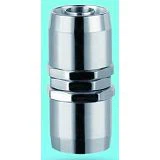
In the world of industrial machinery and equipment maintenance, routine inspections play a crucial role in ensuring the smooth and efficient operation of various systems. One component that often comes under scrutiny during these inspections is the oil sight. A low - hanging oil sight, in particular, raises questions about its detectability during a routine inspection. As a supplier of low - hanging oil sights, I am well - versed in the nuances of these components and their inspection processes.
Understanding Low Hanging Oil Sights
Low hanging oil sights are designed to provide a visual indication of the oil level in a system. They are typically installed in a position that is relatively close to the ground or the base of the machinery. This placement can sometimes make them more vulnerable to damage or obstruction, but it also offers certain advantages, such as easier access for visual inspection.
There are different types of low hanging oil sights available in the market. For instance, the Aluminum Four Window Oil Sight is a popular choice. It features four windows that allow for a more comprehensive view of the oil level from different angles. This design can be particularly useful in complex machinery where the oil level may vary depending on the orientation of the equipment.
Another option is the Two Window Oil Sight. This type of oil sight is simpler in design but still provides a clear view of the oil level. It is often used in applications where space is limited or where a more cost - effective solution is required.
The Glass Oil Level Indicator is also a common type of low hanging oil sight. Made of high - quality glass, it offers excellent visibility and durability. The glass construction allows for a clear view of the oil, even in low - light conditions.
Detectability During Routine Inspections
The detectability of a low hanging oil sight during a routine inspection depends on several factors. Firstly, the location of the oil sight is crucial. If it is installed in a well - lit and easily accessible area, it is more likely to be detected during an inspection. However, if it is hidden behind other components or in a hard - to - reach place, it may be overlooked.
Secondly, the condition of the oil sight itself plays a role. A clean and undamaged oil sight is easier to detect and read. If the sight is dirty, cracked, or obscured by debris, it can be difficult to determine the oil level accurately. Regular cleaning and maintenance of the oil sight can help ensure its detectability and functionality.
The inspection procedure also affects the detectability of the low hanging oil sight. A thorough inspection should include a visual check of all components, including the oil sight. Inspectors should look for signs of damage, such as cracks or leaks, as well as the oil level. They should also check for any signs of contamination or discoloration of the oil, which could indicate a problem with the machinery.


Challenges in Detecting Low Hanging Oil Sights
Despite the importance of detecting low hanging oil sights during routine inspections, there are several challenges that can make this task difficult. One of the main challenges is the presence of other components or equipment that may obstruct the view of the oil sight. In some industrial settings, machinery is tightly packed, and it can be challenging to access and inspect all components, including the low hanging oil sight.
Another challenge is the environment in which the oil sight is located. If the area is dirty, dusty, or exposed to harsh chemicals, the oil sight may become dirty or damaged over time. This can make it difficult to read the oil level and may require more frequent cleaning and maintenance.
Additionally, the design of some low hanging oil sights may make them more difficult to detect. For example, if the oil sight is small or has a low - contrast color, it may be easily overlooked during an inspection.
Strategies for Improving Detectability
To improve the detectability of low hanging oil sights during routine inspections, several strategies can be employed. Firstly, proper installation is key. The oil sight should be installed in a location that is easily accessible and visible. This may require careful planning and consideration of the layout of the machinery.
Secondly, regular cleaning and maintenance of the oil sight are essential. This can help keep the sight clean and clear, making it easier to read the oil level. Inspectors should also be trained to look for signs of damage or contamination during the inspection process.
Using high - visibility oil sights can also improve detectability. For example, oil sights with bright colors or reflective surfaces can be more easily spotted during an inspection. Additionally, the use of markings or indicators on the oil sight can help make the oil level more visible.
Importance of Detecting Low Hanging Oil Sights
Detecting low hanging oil sights during routine inspections is of utmost importance for several reasons. Firstly, it allows for the early detection of potential problems with the machinery. A low oil level can indicate a leak or other issues that, if left unaddressed, can lead to serious damage to the equipment.
Secondly, monitoring the oil level can help ensure the proper lubrication of the machinery. Adequate lubrication is essential for the smooth operation of the equipment and can help prevent wear and tear on the components.
Finally, detecting low hanging oil sights can help improve the overall safety of the industrial environment. By ensuring that the oil level is correct, the risk of equipment failure and accidents can be reduced.
Conclusion
In conclusion, the detectability of low hanging oil sights during routine inspections is a complex issue that depends on several factors. While there are challenges in detecting these components, proper installation, regular maintenance, and the use of high - visibility designs can help improve their detectability. As a supplier of low hanging oil sights, I understand the importance of these components in ensuring the smooth and efficient operation of industrial machinery.
If you are in the market for high - quality low hanging oil sights, we invite you to contact us for more information. Our team of experts can provide you with detailed product information and assist you in finding the right oil sight for your specific needs. Whether you need an Aluminum Four Window Oil Sight, a Two Window Oil Sight, or a Glass Oil Level Indicator, we have the products and expertise to meet your requirements.
References
- Machinery Lubrication Handbook, 3rd Edition
- Industrial Equipment Maintenance Guide
- Best Practices in Oil Sight Inspection