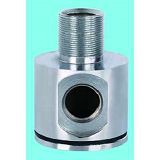
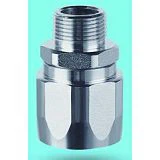
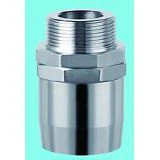
Hey there! As a supplier of Triangle Check Valves, I've seen firsthand how the material of these valves can have a huge impact on their corrosion resistance. In this blog post, I'm gonna break down the different materials used in Triangle Check Valves and explain how each one affects their ability to stand up to corrosion.
First off, let's talk about what a Triangle Check Valve is. A Triangle Check Valve is a type of valve that allows fluid to flow in one direction only. It's commonly used in pipelines to prevent backflow and ensure the proper flow of liquids or gases. Now, when it comes to corrosion resistance, the material of the valve is crucial.
Common Materials for Triangle Check Valves
1. Cast Iron
Cast iron is one of the most traditional materials used for check valves. It's relatively inexpensive and has good mechanical strength. However, its corrosion resistance is not the best. Cast iron is prone to rusting when exposed to moisture and certain chemicals. In environments where the fluid contains oxygen, water, or acidic substances, cast iron valves can corrode over time. This corrosion can lead to a decrease in the valve's performance, such as reduced flow capacity and potential leakage. For example, in a water supply pipeline with a slightly acidic pH, a cast iron Triangle Check Valve may start to show signs of rust within a few months.


2. Stainless Steel
Stainless steel is a popular choice for Triangle Check Valves, especially in applications where corrosion resistance is a top priority. Stainless steel contains chromium, which forms a passive oxide layer on the surface of the metal. This layer acts as a barrier, protecting the underlying metal from corrosion. Different grades of stainless steel offer varying levels of corrosion resistance. For instance, 304 stainless steel is suitable for many general - purpose applications, while 316 stainless steel, which contains molybdenum, provides better resistance to pitting and crevice corrosion. In a chemical processing plant where corrosive chemicals are being transported, a 316 stainless steel Triangle Check Valve can last much longer than a cast iron one.
3. Brass
Brass is an alloy of copper and zinc. It has good corrosion resistance in many environments, especially in freshwater and some mildly corrosive chemicals. Brass valves are also relatively easy to machine, which makes them cost - effective for certain applications. However, brass can be susceptible to dezincification in some conditions. Dezincification is a form of corrosion where zinc is selectively removed from the brass alloy, leaving behind a porous copper structure. This can weaken the valve and lead to failure. In a marine environment, where the water is salty, brass valves may need to be carefully selected and maintained to prevent dezincification.
4. PVC (Polyvinyl Chloride)
PVC is a non - metallic material that is widely used in plumbing and some low - pressure applications. PVC Triangle Check Valves are highly resistant to corrosion, as they don't react with most chemicals and are not affected by rust. They are lightweight and easy to install. However, PVC has limitations in terms of temperature and pressure ratings. It can deform or become brittle at high temperatures, which restricts its use in applications where the fluid is hot. For example, in a cold water supply system in a residential building, a PVC Triangle Check Valve can be a great choice due to its corrosion resistance and low cost.
Factors Affecting Corrosion Resistance
1. Chemical Composition of the Fluid
The type of fluid flowing through the valve plays a major role in determining its corrosion resistance. For example, if the fluid is acidic, a valve made of a material that can withstand acid attack, such as stainless steel or PVC, is required. In a pipeline carrying hydrochloric acid, a cast iron valve would quickly corrode, while a 316 stainless steel valve would be a better option. On the other hand, if the fluid is a non - corrosive gas, a wider range of materials can be used.
2. Temperature
Temperature can also affect the corrosion rate. Higher temperatures generally increase the rate of chemical reactions, including corrosion. For example, in a hot water pipeline, a valve made of a material with lower heat resistance may corrode faster than in a cold water pipeline. Stainless steel valves can handle higher temperatures better than PVC valves, so they are more suitable for hot fluid applications.
3. Pressure
Pressure can influence the corrosion resistance of a valve in a couple of ways. High pressure can cause stress on the valve material, which may lead to cracking or other forms of mechanical failure. In addition, pressure can affect the flow rate and turbulence of the fluid, which can in turn impact the corrosion process. For example, in a high - pressure pipeline, a valve may experience more wear and tear, and the increased flow velocity can cause erosion - corrosion, especially if the fluid contains abrasive particles.
Choosing the Right Material for Your Application
When choosing a material for a Triangle Check Valve, you need to consider the specific requirements of your application. Here are some tips:
- Assess the fluid properties: Determine the chemical composition, temperature, and pressure of the fluid. If the fluid is highly corrosive, choose a material with excellent corrosion resistance, such as stainless steel.
- Consider the operating environment: If the valve is installed in a harsh environment, like a marine or industrial setting, select a material that can withstand the conditions. For example, in a coastal area, a valve exposed to saltwater should be made of a material resistant to chloride - induced corrosion, such as 316 stainless steel.
- Budget: Cost is always a factor. While stainless steel valves offer excellent corrosion resistance, they are more expensive than cast iron or PVC valves. You need to balance the cost with the expected lifespan and performance of the valve.
The Impact of Material on Valve Performance
The material of a Triangle Check Valve not only affects its corrosion resistance but also its overall performance. A corroded valve may not seal properly, leading to leakage. This can result in loss of fluid, reduced efficiency, and potential safety hazards. For example, in a gas pipeline, a leaking valve can cause a gas leak, which is extremely dangerous.
On the other hand, a valve made of a high - quality, corrosion - resistant material can ensure reliable operation over a long period. It can maintain its flow capacity, sealing performance, and mechanical strength, which is essential for the proper functioning of the pipeline system.
Comparing Triangle Check Valves with Other Types of Check Valves
When it comes to corrosion resistance, Triangle Check Valves have some advantages over other types of check valves, such as Pipeline Check Valves and New Type Check Valves. Triangle Check Valves often have a simple and robust design, which can make them more resistant to corrosion in certain applications. However, the choice between different types of check valves also depends on factors like flow rate, pressure drop, and installation requirements.
Conclusion
In conclusion, the material of a Triangle Check Valve is a critical factor in determining its corrosion resistance. Different materials have different properties and are suitable for different applications. By understanding the chemical composition of the fluid, the operating environment, and the budget, you can choose the right material for your valve to ensure long - term performance and reliability.
If you're in the market for a Triangle Check Valve and need help choosing the right material for your application, don't hesitate to reach out. We're here to assist you in making the best decision for your pipeline system. Whether you need a valve for a small - scale residential project or a large - scale industrial application, we've got you covered. Let's have a chat and see how we can meet your needs!
References
- Fontana, M. G. (1986). Corrosion Engineering. McGraw - Hill.
- Schweitzer, P. A. (2004). Corrosion Resistance Tables. McGraw - Hill.
- ASM Handbook, Volume 13A: Corrosion: Fundamentals, Testing, and Protection. ASM International.