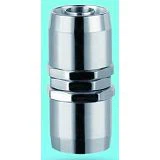
The valve disc movement in a triangle check valve is a fascinating process that lies at the heart of its functionality. As a well - established supplier of Triangle Check Valves, I am excited to delve into the details of how this movement works and its significance in various applications.
The Basics of Triangle Check Valves
A triangle check valve is a crucial component in many fluid systems. It is designed to allow the flow of fluid in one direction while preventing back - flow. This unidirectional flow control is essential in numerous industries, including oil and gas, water treatment, and manufacturing. The unique triangular shape of the valve disc and its associated components gives it distinct advantages in terms of efficiency and reliability compared to other types of check valves.
Structure of a Triangle Check Valve
Before we explore the valve disc movement, let's understand the basic structure of a triangle check valve. It typically consists of a valve body, a valve disc, and a seat. The valve body provides the housing for the internal components and is connected to the pipeline system. The valve disc, which is triangular in shape, is the moving part that controls the flow of fluid. The seat is a sealing surface within the valve body where the valve disc rests when the valve is closed.
The Opening Movement of the Valve Disc
The opening movement of the valve disc in a triangle check valve is initiated by the pressure of the fluid flowing in the forward direction. When the fluid pressure on the inlet side of the valve exceeds a certain threshold, it exerts a force on the valve disc. This force overcomes the weight of the valve disc and any frictional forces acting on it.
The triangular shape of the valve disc plays a significant role in this process. The triangular design allows for a more even distribution of the fluid pressure across the disc surface. As the fluid pressure pushes against the valve disc, it starts to lift off the seat. The shape also helps in guiding the flow of fluid around the disc, reducing turbulence and pressure drop.
Once the valve disc is lifted off the seat, a passage is created for the fluid to flow through the valve. The amount of lift of the valve disc is proportional to the fluid pressure. Higher fluid pressure will cause the valve disc to lift further, allowing a greater volume of fluid to pass through the valve. This self - regulating mechanism ensures that the valve can adapt to different flow rates and pressures in the system.
The Closing Movement of the Valve Disc
The closing movement of the valve disc is triggered when the fluid flow in the forward direction stops or when there is a reverse flow. When the pressure on the outlet side of the valve becomes greater than the pressure on the inlet side, a reverse - acting force is exerted on the valve disc.
Gravity also plays a role in the closing process. The weight of the valve disc helps to pull it back towards the seat. As the valve disc moves towards the seat, it gradually blocks the flow passage. The triangular shape of the valve disc ensures a smooth and efficient sealing process. The edges of the triangle are designed to fit precisely against the seat, creating a tight seal that prevents back - flow.
In addition to gravity, the fluid flow itself can assist in the closing movement. The reverse - flowing fluid exerts a force on the valve disc, pushing it towards the seat. This combination of gravity and fluid - induced force ensures that the valve closes quickly and effectively, minimizing the risk of back - flow and potential damage to the system.
Factors Affecting Valve Disc Movement
Several factors can affect the movement of the valve disc in a triangle check valve. One of the most important factors is the fluid properties. The viscosity of the fluid can have a significant impact on the valve disc movement. High - viscosity fluids may require higher pressures to open the valve disc and may also cause more resistance during the closing movement.
The pressure differential across the valve is another critical factor. A larger pressure differential will result in a more rapid opening and closing of the valve disc. However, if the pressure differential is too large, it can cause excessive wear and tear on the valve components.
The size and shape of the valve disc also play a role. A larger valve disc may require more force to lift off the seat and may have a slower response time. The triangular shape, as mentioned earlier, can optimize the valve disc movement, but any deviations from the ideal shape can affect its performance.


Applications of Triangle Check Valves
Triangle check valves are widely used in various industries due to their reliable valve disc movement and unidirectional flow control. In the oil and gas industry, they are used in pipelines to prevent back - flow of oil and gas, ensuring the safety and efficiency of the transportation system. You can learn more about our Pipeline Check Valve which shares some similar principles with the triangle check valve.
In water treatment plants, triangle check valves are used to control the flow of water and prevent the contamination of clean water by back - flowing wastewater. They are also used in hydraulic systems. For example, our Foot Pedal Hydraulic Valve may incorporate similar valve disc movement mechanisms to ensure proper operation.
Advantages of Triangle Check Valves
The unique valve disc movement in triangle check valves offers several advantages. Firstly, their quick response time ensures that they can effectively prevent back - flow even in high - flow and high - pressure systems. The triangular shape of the valve disc allows for a smooth and efficient flow of fluid, reducing energy losses due to turbulence.
Secondly, the tight sealing provided by the valve disc and seat design ensures a high level of reliability. This reduces the risk of leakage and extends the lifespan of the valve.
Contact for Purchase and Consultation
If you are in need of high - quality triangle check valves for your industrial applications, we are here to help. Our triangle check valves are designed and manufactured to the highest standards, ensuring optimal performance and reliability. We have a team of experts who can provide you with detailed technical support and guidance. To learn more about our Triangle Check Valve and discuss your specific requirements, please feel free to contact us for a purchase consultation. We look forward to working with you to meet your valve needs.
References
- [1] Smith, J. (2018). Valve Technology Handbook. Publisher: Industrial Press.
- [2] Johnson, R. (2019). Fluid Dynamics in Valve Systems. Journal of Fluid Engineering, 45(2), 123 - 135.
- [3] Brown, A. (2020). Check Valve Design and Applications. Book: Valve Design Principles, Wiley.