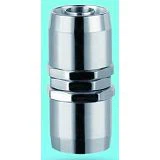
As a supplier of Four Window Oil Sights, I often receive inquiries about how often these essential components should be replaced. In this blog, we'll delve into the factors that influence the replacement frequency of Four Window Oil Sights, providing you with a comprehensive understanding to help you make informed decisions for your equipment maintenance.
Understanding the Four Window Oil Sight
Before discussing replacement intervals, let's briefly understand what a Four Window Oil Sight is and its importance. A Four Window Oil Sight is a crucial component in many industrial and mechanical systems. It allows operators to visually monitor the oil level, quality, and flow within a system. This real - time information is vital for ensuring the proper lubrication of machinery, which in turn extends the lifespan of the equipment and reduces the risk of breakdowns.
Factors Affecting the Replacement Frequency
1. Operating Environment
The environment in which the Four Window Oil Sight operates plays a significant role in determining its replacement frequency. In harsh environments with high levels of dust, dirt, or corrosive substances, the sight glass may become dirty or damaged more quickly. For example, in mining operations or chemical processing plants, the sight glass can be exposed to abrasive particles or corrosive chemicals. These elements can scratch the glass, causing it to become opaque over time, or corrode the metal components of the sight. In such environments, it may be necessary to replace the Four Window Oil Sight every 6 - 12 months.
On the other hand, in clean and controlled environments like some electronics manufacturing facilities, the sight glass may remain in good condition for a much longer time. In these settings, replacement intervals could be extended to 18 - 24 months or even longer, depending on the specific operating conditions.
2. Oil Quality and Type
The quality and type of oil used in the system also impact the lifespan of the Four Window Oil Sight. Some oils contain additives or contaminants that can react with the sight glass material over time. For instance, oils with high sulfur content can be more corrosive, potentially damaging the glass or the seals of the sight. Additionally, if the oil is not changed regularly, sludge and debris can accumulate on the inside of the sight glass, obstructing the view.
If high - quality, clean oils are used and regular oil changes are performed, the Four Window Oil Sight is likely to last longer. However, if low - quality oils are used or oil changes are infrequent, the sight glass may need to be replaced more often, perhaps every 9 - 15 months.
3. System Vibration and Pressure
Systems with high levels of vibration or fluctuating pressure can put additional stress on the Four Window Oil Sight. Vibration can cause the glass to crack or the seals to loosen, while pressure variations can lead to leaks or damage to the sight's structural integrity. In applications such as high - speed machinery or hydraulic systems, these factors are particularly important.
In systems with significant vibration and pressure changes, it is advisable to inspect the Four Window Oil Sight more frequently, at least every 3 - 6 months. If any signs of damage or wear are detected, replacement should be carried out immediately to prevent oil leaks and potential system failures.
Signs That a Four Window Oil Sight Needs Replacement
Even if you follow a regular inspection schedule based on the factors mentioned above, it's essential to be aware of the signs that indicate a Four Window Oil Sight needs to be replaced.
1. Opaque or Scratched Glass
If the glass of the sight becomes opaque or has deep scratches, it will be difficult or impossible to accurately monitor the oil level and condition. This can lead to improper lubrication and equipment damage. When the visibility through the sight glass is severely compromised, replacement is necessary.
2. Leaks
Oil leaks around the Four Window Oil Sight are a clear sign of a problem. Leaks can occur due to damaged seals, cracked glass, or loose fittings. Not only do leaks waste oil, but they can also create safety hazards and contaminate the surrounding area. If a leak is detected, the sight should be replaced promptly.
3. Structural Damage
Any visible signs of structural damage, such as cracks in the metal housing or bent components, indicate that the Four Window Oil Sight is no longer functioning properly. Structural damage can compromise the integrity of the sight and may lead to catastrophic failures if not addressed.
Advanced Options: Aluminum Four Window Oil Sight
For those looking for a more robust option, our Aluminum Four Window Oil Sight is an excellent choice. Aluminum is known for its durability, corrosion resistance, and lightweight properties. In environments where corrosion is a concern, the aluminum housing can significantly extend the lifespan of the sight. It can withstand harsh chemicals and outdoor conditions better than some other materials, reducing the frequency of replacement.


Low Hanging Oil Sight and Its Considerations
The Low Hanging Oil Sight is another option that offers unique advantages. However, it may be more prone to physical damage in some settings. For example, in a busy workshop where there is a lot of foot traffic or moving equipment, the low - hanging position can make it more likely to be bumped or hit. Operators in these environments need to be extra vigilant when it comes to inspecting the sight for damage and may need to consider more frequent replacements if there is a high risk of impact.
Guidance for Replacement and Maintenance
To get the most out of your Four Window Oil Sight, here are some general guidelines for replacement and maintenance:
- Regular Inspections: Conduct visual inspections of the sight glass at least quarterly, more frequently in harsh operating conditions.
- Cleaning: If the sight glass is dirty, clean it using a mild, non - abrasive cleaner. Avoid using harsh chemicals that could damage the glass or seals.
- Record - Keeping: Keep a maintenance log that includes the date of installation, inspection results, and any signs of wear or damage. This will help you track the performance of the Four Window Oil Sight and determine when replacement is necessary.
Contact for Procurement
If you're in need of Four Window Oil Sights or have any questions about their replacement intervals, maintenance, or our product range, we're here to help. Whether you require a standard Four Window Oil Sight or an Aluminum Four Window Oil Sight for a specific application, we can provide you with high - quality products. Reach out to us to start a procurement discussion and ensure the smooth operation of your equipment.
References
- Machinery Lubrication Handbook, 3rd Edition
- Industrial Equipment Maintenance Best Practices Guide
- Manufacturer's specifications for Four Window Oil Sights