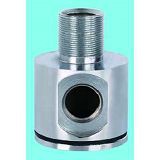
Hey there! As a supplier of Fuel Nozzle Swivel Joints, I've seen my fair share of issues with these parts not working properly. In this blog, I'll walk you through how to troubleshoot a fuel nozzle swivel joint that's giving you trouble.
1. Initial Checks
First things first, when you notice that a fuel nozzle swivel joint isn't working right, the first step is to do a visual inspection. Look for any obvious signs of damage like cracks, dents, or corrosion. Sometimes, just a quick glance can tell you if there's an external problem.
If you see any physical damage, it's likely that the joint needs to be replaced. But before you jump to that conclusion, let's dig a bit deeper. Check if the joint is properly connected to the fuel nozzle and the hose. Loose connections can cause all sorts of problems, like leaks or restricted movement.
2. Checking for Leaks
Leaks are a common issue with fuel nozzle swivel joints. To check for leaks, you can use a simple soapy water test. Mix some dish soap with water in a spray bottle and spray it around the swivel joint. If you see bubbles forming, that's a sign of a leak.
Leaks can be caused by a variety of factors, such as worn seals or damaged O - rings. If you find a leak, you'll need to identify the source. Sometimes, just tightening the connections can fix the problem. But if the seals or O - rings are damaged, you'll have to replace them. You can find high - quality Hose Fitting Connector for Fuel that are designed to prevent leaks and ensure a tight seal.
3. Assessing Movement
A fuel nozzle swivel joint should be able to move freely in multiple directions. If you notice that the joint is stiff or doesn't move at all, there could be a problem. One possible cause is debris or dirt inside the joint. Over time, dirt can accumulate and prevent the joint from moving smoothly.
To fix this, you can try cleaning the joint. Use a mild solvent and a soft brush to gently clean the inside and outside of the joint. Make sure to remove any dirt or debris that you find. After cleaning, lubricate the joint with a suitable lubricant. This can help restore its movement.
If the joint still doesn't move properly after cleaning and lubricating, it might be a mechanical issue. The internal components could be worn out or damaged. In this case, you may need to replace the Universal Joint for Fuel Hose Nozzle or the entire Fuel Nozzle Swivel Joint.


4. Pressure Testing
Another important aspect of troubleshooting is pressure testing. A faulty swivel joint can cause pressure problems in the fuel system. You can use a pressure gauge to check the pressure at the nozzle. If the pressure is too low or too high, it could indicate an issue with the swivel joint.
Low pressure might be due to a blockage in the joint or a leak. High pressure could be caused by a restricted flow or a malfunctioning valve. If you find pressure issues, you'll need to further investigate the cause. It could be something as simple as a clogged filter or a more complex problem with the joint itself.
5. Electrical Issues (if applicable)
Some fuel nozzle swivel joints may have electrical components, such as sensors or switches. If your joint has these features and isn't working properly, you'll need to check the electrical connections. Look for loose wires, damaged connectors, or blown fuses.
If you're not familiar with electrical systems, it's best to consult a professional. They can use specialized tools to diagnose and fix electrical problems.
6. When to Replace
After all the troubleshooting steps, if you still can't get the fuel nozzle swivel joint to work properly, it's probably time to replace it. A worn - out or damaged joint can not only affect the performance of the fuel nozzle but also pose a safety risk.
When replacing the joint, make sure to choose a high - quality product. As a supplier, I can tell you that investing in a good Fuel Nozzle Swivel Joint is worth it in the long run. It will ensure reliable performance and reduce the chances of future problems.
Conclusion
Troubleshooting a fuel nozzle swivel joint that isn't working properly can be a bit of a challenge, but by following these steps, you can identify and fix most issues. Remember to start with a visual inspection, check for leaks, assess the movement, perform pressure testing, and address any electrical issues if applicable.
If you're in the market for a new fuel nozzle swivel joint or need more information about troubleshooting, don't hesitate to reach out. We're here to help you find the right solution for your needs. Whether you're a small gas station or a large fuel distribution company, we've got the products and expertise to keep your fuel systems running smoothly.
Contact us today to start a conversation about your fuel nozzle swivel joint requirements. We look forward to working with you!
References
- General knowledge of fuel nozzle swivel joint technology and troubleshooting techniques.
- Industry standards and best practices for fuel system maintenance.