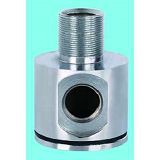
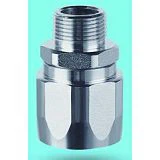
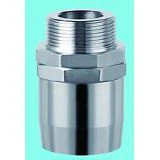
Hey there! As a supplier of Pipeline Check Valves, I often get asked about the cracking pressure of these valves. So, let's dive right in and talk about what cracking pressure is and why it's so important in the world of pipeline check valves.
First off, what exactly is the cracking pressure of a pipeline check valve? Well, the cracking pressure is the minimum upstream pressure required to open the check valve and allow fluid to flow through it. Think of it as the "threshold" pressure that needs to be reached before the valve starts doing its job. When the pressure on the upstream side of the valve is lower than the cracking pressure, the valve remains closed, preventing backflow. Once the pressure exceeds the cracking pressure, the valve opens, and the fluid can flow in the intended direction.
Now, you might be wondering why cracking pressure is such a big deal. Well, it plays a crucial role in ensuring the proper functioning of a pipeline system. If the cracking pressure is set too high, the valve might not open when it should, leading to reduced flow or even blockages in the pipeline. On the other hand, if the cracking pressure is set too low, the valve might open prematurely, allowing backflow and potentially causing damage to the system.
So, how do you determine the right cracking pressure for a pipeline check valve? It depends on a few factors. One of the main factors is the type of fluid flowing through the pipeline. Different fluids have different viscosities and flow characteristics, which can affect the cracking pressure. For example, a thick, viscous fluid might require a higher cracking pressure to open the valve compared to a thin, low - viscosity fluid.
Another factor is the application of the pipeline system. In some applications, such as in a water supply system, a relatively low cracking pressure might be sufficient. However, in industrial applications where high - pressure fluids are involved, a higher cracking pressure might be necessary to ensure the valve functions properly.
As a Pipeline Check Valve supplier, we offer a wide range of valves with different cracking pressures to meet the diverse needs of our customers. Our Pipeline Check Valve is designed to provide reliable performance and can be customized to have the right cracking pressure for your specific application.
Let's take a look at some of the common types of check valves and how their cracking pressures work.
One type is the swing check valve. In a swing check valve, the disc swings open when the upstream pressure exceeds the cracking pressure. The cracking pressure of a swing check valve can vary depending on the size of the valve and the design. Generally, larger swing check valves might have a higher cracking pressure compared to smaller ones.
Another type is the lift check valve. In a lift check valve, the disc is lifted off its seat when the upstream pressure reaches the cracking pressure. Lift check valves are often used in applications where a tight shut - off is required. The cracking pressure of a lift check valve is also influenced by factors such as the spring force (if there is a spring - loaded design) and the size of the valve.
We also offer Foot Pedal Hydraulic Valve and Triangle Check Valve. These valves have their own unique characteristics and cracking pressure requirements. The foot - pedal hydraulic valve is often used in hydraulic systems, and its cracking pressure is designed to work in harmony with the hydraulic pressure in the system. The triangle check valve, on the other hand, has a triangular - shaped disc that opens and closes based on the upstream pressure.
When it comes to choosing the right cracking pressure for your pipeline check valve, it's important to consult with an expert. Our team of experienced engineers can help you determine the optimal cracking pressure based on your specific requirements. We take into account factors such as the fluid type, flow rate, and system pressure to ensure that you get the best - performing valve for your application.
In addition to choosing the right cracking pressure, proper installation and maintenance of the check valve are also crucial. A poorly installed valve might not function as intended, even if the cracking pressure is set correctly. Regular maintenance, such as checking for leaks and ensuring the valve is clean and free of debris, can help extend the lifespan of the valve and ensure its reliable performance.


If you're in the market for a pipeline check valve, we're here to help. Whether you need a valve with a specific cracking pressure or have any questions about our products, don't hesitate to reach out. We're committed to providing high - quality products and excellent customer service.
In conclusion, the cracking pressure of a pipeline check valve is a critical parameter that can significantly impact the performance of a pipeline system. By understanding what cracking pressure is and how it works, you can make informed decisions when choosing a check valve for your application. And if you're looking for a reliable supplier of pipeline check valves, we've got you covered. Contact us today to discuss your needs and let's work together to find the perfect solution for your pipeline system.
References:
- Fluid Mechanics textbooks
- Valve industry standards and guidelines
- Manufacturer's product manuals