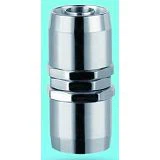
Hey there! As a supplier of Pipeline Check Valves, I often get asked about the functions of a diaphragm check valve in a pipeline. So, let's dive right into it and explore what makes these valves so important in the world of pipelines.
The Basics of Diaphragm Check Valves
First off, what exactly is a diaphragm check valve? Well, it's a type of check valve that uses a flexible diaphragm to control the flow of fluid in a pipeline. The diaphragm acts as a barrier that allows fluid to flow in one direction while preventing backflow in the opposite direction.
The diaphragm is typically made of a flexible material like rubber or elastomer. When the fluid flows in the correct direction, the pressure of the fluid pushes the diaphragm open, allowing the fluid to pass through. But when the flow tries to reverse, the pressure on the other side of the diaphragm forces it to close, blocking the flow.
Key Functions of Diaphragm Check Valves
Preventing Backflow
One of the primary functions of a diaphragm check valve is to prevent backflow. Backflow can cause a whole host of problems in a pipeline system. For example, in a water supply system, backflow can contaminate the clean water supply with dirty or contaminated water from the downstream side. In industrial processes, backflow can disrupt the normal operation of equipment and even cause damage.
Let's say you have a pipeline that supplies water to a manufacturing plant. If there's a sudden drop in pressure on the downstream side, without a diaphragm check valve, the water could flow back into the supply line. This could introduce impurities or chemicals from the plant back into the main water supply, which is obviously a big no - no. The diaphragm check valve ensures that the water only flows in one direction, protecting the integrity of the supply.
Protecting Equipment
Diaphragm check valves also play a crucial role in protecting equipment in a pipeline system. Many pumps and other equipment in a pipeline are designed to work with a unidirectional flow of fluid. If backflow occurs, it can put extra stress on the equipment, leading to premature wear and tear or even complete failure.


For instance, a pump in a pipeline is designed to push fluid in one direction. If the fluid starts flowing back towards the pump due to a lack of a proper check valve, it can cause the pump to work against the flow, increasing the load on the motor and potentially damaging the pump. A diaphragm check valve acts as a safeguard, preventing this backflow and ensuring that the equipment operates smoothly.
Controlling Flow
In addition to preventing backflow, diaphragm check valves can also be used to control the flow of fluid in a pipeline. They can be designed to open and close at specific pressure differentials. This means that you can set the valve to open only when the pressure on the upstream side reaches a certain level, allowing for more precise control of the fluid flow.
For example, in a chemical processing plant, different chemicals need to be added to a reaction vessel at specific times and pressures. A diaphragm check valve can be used to ensure that the chemicals are only released into the vessel when the pressure conditions are right, helping to maintain the quality and efficiency of the chemical process.
Advantages of Diaphragm Check Valves
Now, let's talk about some of the advantages of using diaphragm check valves in a pipeline.
Tight Sealing
Diaphragm check valves provide a tight seal when closed. The flexible diaphragm can conform to the valve seat, creating a reliable barrier against backflow. This is especially important in applications where even a small amount of backflow can cause problems, such as in high - purity water systems or in pipelines carrying hazardous chemicals.
Low Maintenance
Compared to some other types of check valves, diaphragm check valves are relatively low - maintenance. The simple design with a single moving part (the diaphragm) means that there are fewer components that can wear out or break. This reduces the need for frequent inspections and repairs, saving time and money in the long run.
Versatility
Diaphragm check valves can be used in a wide range of applications, including water treatment, chemical processing, food and beverage production, and more. They can handle different types of fluids, from water and oil to corrosive chemicals. This versatility makes them a popular choice for many pipeline systems.
Applications of Diaphragm Check Valves
Diaphragm check valves are used in various industries and applications.
Water and Wastewater Treatment
In water treatment plants, diaphragm check valves are used to prevent backflow of treated water into the raw water supply. They also help in controlling the flow of water through different treatment processes, such as filtration and disinfection. In wastewater treatment, these valves prevent the backflow of sewage into the treatment system, ensuring that the treatment process runs smoothly.
Chemical Industry
The chemical industry relies heavily on diaphragm check valves to control the flow of various chemicals. They are used in pipelines that carry corrosive or hazardous chemicals, where a tight seal and reliable operation are essential. For example, in a chemical manufacturing plant, diaphragm check valves can be used to prevent the backflow of reactive chemicals, which could cause dangerous reactions if they mix in the wrong way.
Food and Beverage Industry
In the food and beverage industry, diaphragm check valves are used to ensure the hygienic flow of products. They prevent the backflow of food or beverage products, which could contaminate the production line. These valves are often made of materials that are safe for contact with food, such as food - grade rubber diaphragms.
Our Pipeline Check Valve Offerings
As a Pipeline Check Valve supplier, we offer a wide range of high - quality diaphragm check valves. Our valves are designed to meet the diverse needs of different industries. Whether you need a valve for a small - scale water supply system or a large - scale industrial pipeline, we've got you covered.
We also have other types of check valves in our product line, such as the Foot Pedal Hydraulic Valve and the Triangle Check Valve. These valves offer unique features and benefits, and you can explore them on our website Pipeline Check Valve.
If you're in the market for a reliable diaphragm check valve or any other type of check valve for your pipeline system, we'd love to hear from you. Our team of experts can help you choose the right valve for your specific needs. Whether you have questions about the functionality, installation, or maintenance of the valves, we're here to assist you.
Conclusion
In conclusion, diaphragm check valves are an essential component in pipeline systems. They play a vital role in preventing backflow, protecting equipment, and controlling the flow of fluid. With their tight sealing, low maintenance, and versatility, they are a popular choice for many industries.
If you're looking for high - quality check valves for your pipeline, don't hesitate to reach out. We're committed to providing you with the best products and services to meet your pipeline needs. Let's work together to ensure the smooth and efficient operation of your pipeline system.
References
- Fluid Mechanics and Hydraulic Machines by R.K. Bansal
- Industrial Valves: Selection, Specification, and Installation by David W. Spitzer