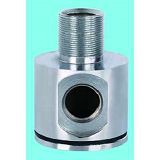
Altitude is a crucial environmental factor that can significantly impact the performance and functionality of various mechanical and electronic devices. As a supplier of Gas Emergency Shut Off Valves, I have witnessed firsthand the challenges and considerations that altitude brings to the operation of these essential safety devices. In this blog post, I will explore the impact of altitude on a gas emergency shut off valve, delving into the scientific principles and practical implications.
Understanding the Basics of Gas Emergency Shut Off Valves
Before we discuss the impact of altitude, it's important to understand what a gas emergency shut off valve is and how it works. A Gas Emergency Shut Off Valve is a safety device designed to automatically stop the flow of gas in the event of an emergency, such as a gas leak or an overpressure situation. These valves are commonly used in residential, commercial, and industrial settings to prevent gas-related accidents and ensure the safety of people and property.
The operation of a gas emergency shut off valve is typically based on a mechanical or electronic mechanism that responds to specific conditions, such as changes in pressure, temperature, or gas concentration. When the valve detects an abnormal condition, it closes the gas supply, preventing further gas flow and minimizing the risk of a fire or explosion.
The Impact of Altitude on Gas Pressure
One of the primary ways that altitude affects a gas emergency shut off valve is through its impact on gas pressure. As altitude increases, the atmospheric pressure decreases. This decrease in pressure can have several effects on the operation of a gas emergency shut off valve.
1. Pressure Differential
Gas emergency shut off valves often rely on a pressure differential to operate. The valve is designed to open and close based on the difference in pressure between the gas supply and the surrounding environment. At higher altitudes, the lower atmospheric pressure can reduce the pressure differential, making it more difficult for the valve to operate correctly.
For example, if a valve is designed to operate at a specific pressure differential at sea level, the reduced atmospheric pressure at higher altitudes may cause the valve to open or close at different pressures than intended. This can lead to false alarms or, more seriously, a failure to shut off the gas supply in an emergency.
2. Gas Density
Altitude also affects the density of the gas. As the atmospheric pressure decreases with increasing altitude, the gas becomes less dense. This change in gas density can impact the performance of the valve, as the valve may be calibrated based on the density of the gas at a specific altitude.
A valve that is calibrated for sea-level conditions may not function correctly at higher altitudes due to the change in gas density. This can affect the valve's ability to detect changes in gas flow or pressure accurately, potentially leading to a malfunction.
The Impact of Altitude on Temperature
In addition to pressure, altitude can also affect the temperature of the environment. As altitude increases, the temperature generally decreases. This change in temperature can have several effects on the operation of a gas emergency shut off valve.
1. Material Properties
The materials used in the construction of a gas emergency shut off valve can be affected by temperature changes. At lower temperatures, some materials may become more brittle, increasing the risk of cracking or failure. This can compromise the integrity of the valve and reduce its ability to function correctly.


For example, rubber seals and gaskets used in the valve may become less flexible at lower temperatures, leading to leaks or a loss of sealing effectiveness. This can allow gas to escape, increasing the risk of a gas-related accident.
2. Sensor Performance
Many gas emergency shut off valves use sensors to detect changes in gas concentration, pressure, or temperature. These sensors can be sensitive to temperature changes, and their performance may be affected by the lower temperatures at higher altitudes.
A sensor that is calibrated for a specific temperature range may provide inaccurate readings at lower temperatures, leading to false alarms or a failure to detect an emergency situation. This can compromise the safety of the system and increase the risk of a gas-related accident.
The Impact of Altitude on Valve Design and Installation
Given the impact of altitude on gas pressure and temperature, it is essential to consider altitude when designing and installing a gas emergency shut off valve. Here are some key considerations:
1. Valve Selection
When selecting a gas emergency shut off valve for use at higher altitudes, it is important to choose a valve that is designed to operate under the specific conditions of the location. This may include valves that are calibrated for lower pressures and temperatures or valves that are made from materials that are more resistant to temperature changes.
For example, some valves are designed to operate over a wider range of pressures and temperatures, making them more suitable for use at higher altitudes. These valves may be more expensive, but they can provide greater reliability and safety.
2. Installation and Calibration
Proper installation and calibration of the valve are crucial to ensure its correct operation at higher altitudes. The valve should be installed according to the manufacturer's instructions, and it should be calibrated to account for the specific altitude and environmental conditions of the location.
This may involve adjusting the pressure settings of the valve or using additional sensors or components to compensate for the changes in pressure and temperature. A professional installer should be consulted to ensure that the valve is installed and calibrated correctly.
Conclusion
In conclusion, altitude can have a significant impact on the performance and functionality of a gas emergency shut off valve. The changes in gas pressure and temperature at higher altitudes can affect the valve's ability to operate correctly, potentially leading to false alarms or a failure to shut off the gas supply in an emergency.
As a supplier of Gas Emergency Shut Off Valves, we understand the importance of considering altitude when selecting and installing these valves. We offer a range of valves that are designed to operate under a variety of conditions, including higher altitudes. Our valves are made from high-quality materials and are rigorously tested to ensure their reliability and safety.
If you are in the market for a gas emergency shut off valve, we encourage you to contact us to discuss your specific needs. Our experienced team can help you select the right valve for your application and provide you with the support and guidance you need to ensure its proper installation and operation.
References
- Perry, R. H., & Green, D. W. (2008). Perry's Chemical Engineers' Handbook. McGraw-Hill.
- ASHRAE Handbook: Fundamentals. (2017). American Society of Heating, Refrigerating and Air-Conditioning Engineers.