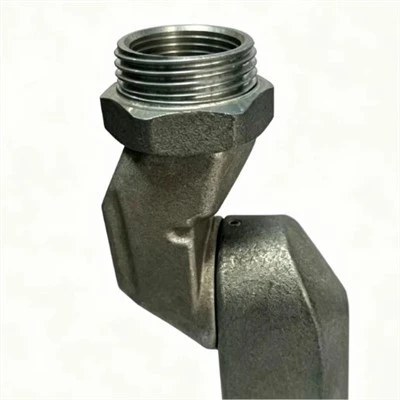
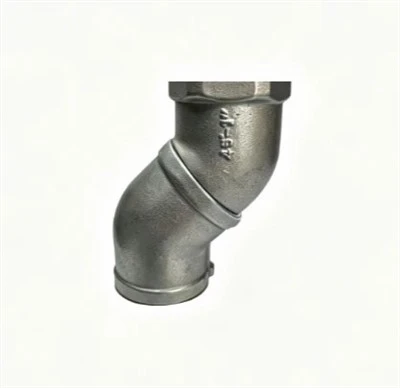
Connecting a highly pressurized thick rubber line to a solid metal pump chassis requires incredibly robust mounting hardware specifically designed to safely withstand constant physical pulling and aggressive twisting. Throughout the commercial retail fueling industry, there are currently two vastly different primary methods widely used to securely lock these high-flow components strictly together: standard threaded couplings and much larger heavy-duty flanged connections. Smaller standard-volume consumer retail gas pumps usually rely almost entirely on tightly torqued threaded hydraulic connection fittings. In this common setup, a precisely machined fuel nozzle swivel is threaded securely and directly between the brass end of the flexible hose and the rigid metal body of the dispensing gun to provide crucial flexibility.
Conversely, high-flow massive commercial truck stops primarily designed for massive 18-wheeler diesel tanks or heavy aviation runway refueling often utilize a completely different, much stronger physical plumbing setup entirely. Because the sheer liquid volume and mechanical pump pressure of the fuel are so much greater, simple threaded screw fittings quickly become a dangerous potential weak point. Instead, these heavy-duty industrial setups frequently utilize thick flanged connections, often heavily cast from durable iron or hardened copper, mechanically bolted tightly together over a very thick fluororubber pressure gasket. A heavily reinforced commercial-grade fuel nozzle swivel might occasionally be utilized in these setups, but it is vastly larger and handles massive rotational weight. Understanding these mechanical setup differences prevents managers from buying weak parts.