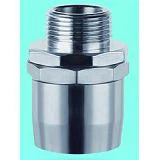
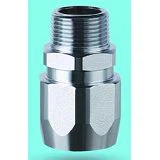
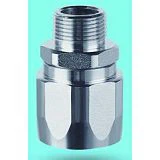
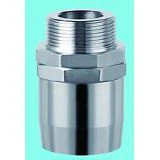
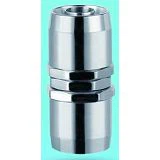
The compressor oil level sight glass is a critical component in industrial equipment used to monitor the internal oil level of compressors. Its primary function is to ensure the lubrication system operates normally, preventing equipment wear or failure caused by insufficient oil levels. Typically crafted from highly transparent materials like tempered glass or polycarbonate, this component is mounted on the side or top of the compressor oil tank. By allowing direct observation of the oil surface level, it enables operators to promptly determine whether lubricant replenishment is required.
Technical Principles and Structural Features
Oil sight glass design must balance pressure resistance, corrosion resistance, and optical clarity. Its structure generally comprises three parts: the lens, sealing ring, and mounting flange. The lens employs impact-resistant materials to withstand vibration and pressure fluctuations during compressor operation. The seal ring utilizes oil-resistant materials like fluororubber or silicone to prevent lubricant leakage. The mounting flange must precisely match the oil tank interface to ensure sealing integrity. Some high-end oil sight glasses integrate oil level sensors, enabling real-time transmission of oil level data to control systems for automated monitoring.
Application Scenarios and Industry Standards
In industrial settings, compressor oil level sight glasses are widely used in screw, piston, and centrifugal compressors. For instance, in the petrochemical industry, large compressor units require continuous operation for thousands of hours, where sight glass reliability directly impacts equipment lifespan. In refrigeration and air conditioning systems, sight glass accuracy is critical to cooling efficiency. Regarding industry standards, both the international ISO 8573-1 and the domestic GB/T 16616 specify clear requirements for the pressure rating, light transmittance, and installation dimensions of sight glasses, mandating stable operation within a temperature range of -40°C to 120°C.
Selection and Maintenance Considerations
Three key points require attention during selection: First, material compatibility must match the lubricant type (e.g., mineral oil or synthetic oil); Second, viewing angle-a 45° inclined window is typically recommended to minimize glare. Third, measurement range-select appropriate graduations based on the compressor tank capacity. For maintenance, clean the lens monthly with a lint-free cloth to prevent oil residue buildup. Inspect seal rings quarterly for aging and replace as needed. If bubbles appear inside the sight glass or abnormal oil level fluctuations occur, immediately shut down the unit for inspection to prevent lubrication system failure.