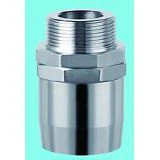
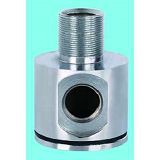
Hey there! As a fuel nozzle coupling supplier, I often get asked if there are any do - it - yourself (DIY) ways to test a fuel nozzle coupling. Well, you're in the right place! In this blog, I'll share some nifty DIY methods for testing these crucial components.


Let's start by understanding why testing fuel nozzle couplings is so important. These couplings play a vital role in the fuel delivery system. A faulty coupling can lead to fuel leaks, which are not only a waste of precious fuel but also pose a significant safety hazard. Leaked fuel can cause fires or explosions, and it can also contaminate the environment. So, it's essential to ensure that your fuel nozzle couplings are in tip - top shape.
Visual Inspection
The first and easiest DIY test you can perform is a visual inspection. It's simple but can reveal a lot about the condition of the fuel nozzle coupling.
Grab a flashlight and a magnifying glass if you have one. Start by looking at the exterior of the coupling. Check for any signs of cracks, chips, or corrosion. Cracks can develop over time due to wear and tear, pressure changes, or exposure to harsh chemicals. Corrosion can eat away at the metal parts of the coupling, weakening its structure. If you spot any cracks or significant corrosion, it's a clear sign that the coupling needs to be replaced.
Next, examine the seals. The seals are what prevent fuel from leaking out of the coupling. Look for any signs of damage, such as cuts, tears, or deformation. Damaged seals won't be able to create a proper seal, which can lead to fuel leakage. You might also notice if the seals are starting to dry out or harden. This can happen if the seals are old or have been exposed to high temperatures. If the seals are in bad shape, you can usually replace them with new ones, which you can find at most hardware stores or from Fuel Nozzle Coupling suppliers like us.
Pressure Test
A pressure test is a bit more involved but is a great way to check if the fuel nozzle coupling can handle the pressure it's supposed to.
You'll need a pressure gauge and a way to apply pressure to the coupling. One way to do this is to use a hand - operated pump. First, make sure the coupling is properly installed and connected to a closed system. You can use a piece of tubing to create a closed loop.
Start applying pressure slowly using the pump while keeping an eye on the pressure gauge. The pressure you apply should be within the recommended operating pressure range for the coupling. This information can usually be found in the product specifications. As you increase the pressure, watch for any signs of leakage. If you see fuel starting to drip or spray from the coupling, there's a problem.
It's important not to over - pressurize the coupling. Applying too much pressure can damage the coupling and give you false test results. If the coupling holds the pressure within the recommended range without any leaks, it's a good sign that it's in good working condition.
Flow Test
Another useful DIY test is the flow test. This test helps you determine if the fuel nozzle coupling is allowing fuel to flow through it properly.
You'll need a container to catch the fuel and a way to measure the flow rate, such as a stopwatch and a graduated cylinder. Connect the coupling to a fuel source and place the container at the other end to catch the fuel.
Start the fuel flow and time how long it takes to fill a certain volume of the container. Then, calculate the flow rate. Compare this flow rate to the specifications provided by the manufacturer. A lower - than - normal flow rate could indicate a blockage in the coupling. This blockage could be caused by debris, dirt, or a damaged internal component.
If you suspect a blockage, you can try to clean the coupling. Disconnect it from the system and use a mild solvent and a brush to clean the inside of the coupling. Make sure to rinse it thoroughly and let it dry before reconnecting it to the fuel system.
Vacuum Test
In some cases, a vacuum test can also be used to check the integrity of the fuel nozzle coupling. This is especially useful for couplings that are part of a system where a vacuum is present.
To perform a vacuum test, you'll need a vacuum pump and a vacuum gauge. Connect the vacuum pump to the coupling and create a vacuum. As the vacuum is being created, watch the gauge to see if the vacuum level is maintained. If the vacuum level drops rapidly, it could mean there's a leak in the coupling.
Just like with the pressure test, make sure to follow the manufacturer's recommendations for the maximum vacuum level. Applying too much vacuum can damage the coupling.
Inter - Relationship with Other Components
It's also important to consider how the fuel nozzle coupling interacts with other components in the fuel system. For example, it's often connected to Hose Fitting Connector for Fuel and Fuel Nozzle Swivel Joint.
A problem with one component can sometimes affect the performance of the fuel nozzle coupling. For instance, if the hose fitting connector is loose or damaged, it can cause stress on the coupling, leading to premature wear or leakage. So, when you're testing the coupling, also take a look at these related components to ensure they are in good condition.
When to Call a Professional
While these DIY tests can be quite helpful, there are situations where it's best to call a professional. If you're not confident in your ability to perform the tests safely, or if you're unsure about the results, it's a good idea to seek expert help.
Also, if you've performed the tests and still can't determine the cause of the problem, a professional can use more advanced testing equipment to diagnose the issue accurately. They can also provide advice on the best course of action, whether it's repair or replacement.
Conclusion
In conclusion, there are several DIY ways to test a fuel nozzle coupling, including visual inspection, pressure test, flow test, and vacuum test. These tests can help you catch potential problems early and ensure the safety and efficiency of your fuel delivery system.
However, remember that these DIY tests have their limitations. If you're ever in doubt, it's always better to consult a professional.
If you're in the market for high - quality fuel nozzle couplings, or if you have any questions about testing or using them, don't hesitate to reach out to us. We're here to help you find the best solutions for your fuel system needs. Let's start a procurement discussion and build a great partnership!
References
- "Fuel System Basics" - Automotive Repair Manual
- Manufacturer's product specifications for fuel nozzle couplings