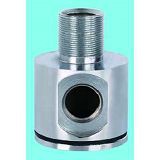
Hey there! As a supplier of Triangle Check Valves, I've been getting a lot of questions lately about safety considerations when using these valves. So, I thought I'd take a moment to share some insights on this important topic.
First off, let's talk about what a triangle check valve is. A triangle check valve is a type of valve that allows fluid to flow in one direction only. It's commonly used in pipelines to prevent backflow, which can cause a variety of problems, including damage to equipment, contamination of fluids, and even safety hazards.
Now, when it comes to safety considerations, there are a few key things to keep in mind. One of the most important is proper installation. A triangle check valve must be installed correctly to ensure it functions properly. This means making sure it's installed in the correct orientation, with the flow direction arrow pointing in the direction of the intended flow. If the valve is installed backwards, it won't work as intended, and could potentially cause serious problems.
Another important safety consideration is maintenance. Like any piece of equipment, a triangle check valve requires regular maintenance to ensure it continues to function properly. This includes inspecting the valve for signs of wear and tear, such as leaks or damage to the valve seat. If any issues are found, they should be addressed immediately to prevent further damage or safety hazards.
In addition to proper installation and maintenance, it's also important to use the right type of triangle check valve for the application. There are different types of triangle check valves available, each designed for specific applications and operating conditions. For example, some valves are designed for high-pressure applications, while others are better suited for low-pressure applications. Using the wrong type of valve can lead to poor performance, increased wear and tear, and even safety hazards.
Now, let's talk about some specific safety considerations when using a triangle check valve. One of the biggest concerns is the risk of water hammer. Water hammer is a phenomenon that occurs when the flow of fluid in a pipeline is suddenly stopped or changed, causing a pressure surge. This can cause damage to the pipeline, valves, and other equipment, and can even pose a safety hazard to personnel. To prevent water hammer, it's important to use a triangle check valve that is designed to handle the specific flow conditions and pressure requirements of the application.
Another safety consideration is the risk of contamination. Triangle check valves are often used in applications where the fluid being transported is sensitive to contamination. For example, in the food and beverage industry, triangle check valves are used to prevent backflow of contaminated fluids into the production process. To prevent contamination, it's important to use a triangle check valve that is made from materials that are compatible with the fluid being transported, and that is designed to prevent the growth of bacteria and other contaminants.
Finally, it's important to consider the safety of the personnel who will be working with the triangle check valve. This includes providing proper training on the installation, operation, and maintenance of the valve, as well as providing appropriate personal protective equipment (PPE) to prevent injuries.
In conclusion, there are several important safety considerations when using a triangle check valve. Proper installation, maintenance, and selection of the right type of valve are all crucial to ensuring the safe and reliable operation of the valve. By following these guidelines, you can help prevent accidents, damage to equipment, and contamination of fluids.
If you're in the market for a triangle check valve, I encourage you to check out our website at Triangle Check Valve. We offer a wide range of high-quality triangle check valves that are designed to meet the needs of a variety of applications. We also offer a variety of other types of check valves, including Pipeline Check Valve and New Type Check Valve.


If you have any questions or would like to learn more about our products, please don't hesitate to contact us. We'd be happy to help you find the right valve for your application.
References:
- "Check Valves: Selection, Sizing, and Installation," by John R. Bock.
- "Valve Handbook," by Klaus Linse.
- "Pipeline Engineering and Construction," by William C. Lyons.