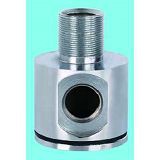
In the realm of pipeline systems, the double - door check valve plays a crucial role. As a Pipeline Check Valve supplier, I am well - versed in the intricacies of these valves and their functionality. In this blog, I will delve into how a double - door check valve operates within a pipeline.
Basic Structure of a Double - Door Check Valve
A double - door check valve, also known as a dual - disc check valve, consists of two semicircular discs or doors that are hinged at the center. These discs are designed to open and close in response to the flow of fluid within the pipeline. The valve body is typically made of materials such as cast iron, stainless steel, or other alloys, depending on the application requirements. The choice of material is crucial as it affects the valve's durability, corrosion resistance, and overall performance.
The Working Principle
The operation of a double - door check valve is based on the principle of differential pressure. When fluid flows in the forward direction, the pressure on the upstream side of the valve is higher than the pressure on the downstream side. This pressure difference causes the two discs to swing open, allowing the fluid to pass through the valve. The discs open smoothly, minimizing resistance to the flow of fluid.
Conversely, when the flow of fluid reverses, the pressure on the downstream side becomes higher than the pressure on the upstream side. This change in pressure forces the two discs to swing shut, preventing the backflow of fluid. The design of the double - door check valve ensures a tight seal when the discs are closed, which is essential for maintaining the integrity of the pipeline system.
Advantages of Double - Door Check Valves in Pipelines
One of the main advantages of double - door check valves is their ability to provide a quick and reliable shut - off mechanism. Compared to other types of check valves, such as swing check valves, double - door check valves can close more rapidly, reducing the risk of water hammer. Water hammer is a phenomenon that occurs when the flow of fluid in a pipeline is suddenly stopped or reversed, causing a pressure surge that can damage the pipeline and its components.
Another advantage is the low pressure drop across the valve. The design of the double - door check valve allows for a relatively unobstructed flow of fluid when the valve is open. This means that the valve does not significantly impede the flow of fluid, which is important for maintaining the efficiency of the pipeline system.
Double - door check valves are also suitable for a wide range of applications. They can be used in water supply systems, sewage treatment plants, industrial pipelines, and many other settings. Their versatility makes them a popular choice for pipeline engineers and operators.
Applications in Different Pipeline Systems
In water supply systems, double - door check valves are used to prevent the backflow of water into the main supply line. This is important for maintaining the quality of the water supply and preventing contamination. For example, in a residential water supply system, a double - door check valve can be installed at the point where the water enters the building to prevent any backflow from the building's plumbing system into the main water supply.
In sewage treatment plants, double - door check valves are used to control the flow of sewage and prevent the backflow of treated water into the treatment process. This helps to ensure the proper operation of the treatment plant and the quality of the treated water.
In industrial pipelines, double - door check valves are used in various processes, such as chemical manufacturing, oil and gas production, and power generation. They help to prevent the backflow of fluids and ensure the safety and efficiency of the industrial processes.
Maintenance and Inspection
Proper maintenance and inspection of double - door check valves are essential for their long - term performance. Regular inspection can help to identify any signs of wear, damage, or leakage. For example, the hinges of the discs should be checked for smooth operation, and the seals should be inspected for any signs of deterioration.


If any problems are detected during the inspection, the valve should be repaired or replaced as soon as possible. This can help to prevent more serious problems from occurring and ensure the continued operation of the pipeline system.
Related Products
As a Pipeline Check Valve supplier, we also offer a variety of related products. For example, our Foot Pedal Hydraulic Valve is a great option for applications where manual control of the valve is required. It provides a convenient way to operate the valve using a foot pedal, which can be useful in certain industrial settings.
We also have a New Type Check Valve that incorporates the latest technology and design features. This valve offers improved performance and reliability compared to traditional check valves.
If you are looking for a high - quality Pipeline Check Valve, we have a wide range of options to meet your needs. Our valves are designed and manufactured to the highest standards, ensuring long - term performance and reliability.
Conclusion
In conclusion, the double - door check valve is an essential component in pipeline systems. Its unique design and working principle make it an effective solution for preventing backflow and ensuring the smooth operation of the pipeline. Whether you are in the water supply, sewage treatment, or industrial sector, a double - door check valve can provide the reliability and performance you need.
If you are interested in purchasing our Pipeline Check Valves or have any questions about our products, we encourage you to contact us for further discussion. Our team of experts is ready to assist you in finding the right valve for your specific application.
References
- "Pipeline Valve Handbook", McGraw - Hill
- "Valve Technology and Applications", Elsevier