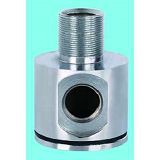
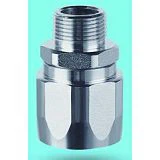
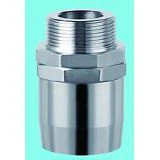
Hey there! I'm a supplier of Triangle Check Valves, and today I want to chat about whether a triangle check valve can be used in pulp and paper mills.
First off, let's understand what a triangle check valve is. A triangle check valve, as the name suggests, has a triangular - shaped design. It's a type of valve that allows fluid to flow in one direction only. When the fluid pressure in the forward direction is sufficient, the valve opens, and when the pressure tries to reverse, the valve closes to prevent backflow. You can check out more about it here: Triangle Check Valve.
Now, let's look at the pulp and paper mills. These mills have a complex system of pipes and equipment where different fluids are used, such as water, pulp suspensions, and various chemicals. The processes in pulp and paper mills involve a lot of pumping and flow control.
One of the key requirements in pulp and paper mills is to prevent backflow. Backflow can cause all sorts of problems, like contamination of clean fluids, damage to pumps, and disruption of the production process. That's where check valves come in handy.
Triangle check valves have some features that make them a potential fit for pulp and paper mills. For starters, their design can provide a relatively large flow area. In pulp and paper mills, where large volumes of fluids need to be transported, a valve with a large flow area can ensure efficient flow. This means less resistance and better energy efficiency in the system.
Another advantage is their ability to handle different types of fluids. Pulp and paper mills deal with a variety of substances, from thick pulp suspensions to chemical solutions. Triangle check valves can be made from materials that are resistant to corrosion and abrasion, which is crucial when dealing with these harsh substances. For example, valves made of stainless steel or special polymers can withstand the corrosive effects of chemicals used in the bleaching and pulping processes.
However, there are also some challenges. Pulp suspensions can be quite thick and contain solid particles. These particles can get stuck in the valve, causing it to malfunction. To address this, the design of the triangle check valve needs to be carefully considered. Some triangle check valves have a self - cleaning mechanism or a design that minimizes the chance of particle accumulation.
Let's compare triangle check valves with other types of check valves commonly used in the industry. Pipeline check valves, for instance, are also widely used in pulp and paper mills. You can find more details about them here: Pipeline Check Valve. Pipeline check valves are often designed for specific pipeline sizes and can provide a tight seal. But they may not have the same large flow area as triangle check valves.
Foot pedal hydraulic valves are another type of valve, and they have their own applications. You can learn more about them here: Foot Pedal Hydraulic Valve. These valves are usually used for manual control in hydraulic systems, which may not be directly related to the main flow control in pulp and paper mills, but they can still be part of the overall equipment setup.
In real - world applications, many pulp and paper mills have successfully used triangle check valves. They have found that these valves can improve the reliability of their systems. For example, in the pulp washing process, where large volumes of water are used to remove impurities from the pulp, triangle check valves can prevent the backflow of dirty water into the clean water supply.
When it comes to installation, triangle check valves need to be installed correctly to ensure proper functioning. They should be placed in the right position in the pipeline, and the direction of flow should be clearly marked. Maintenance is also important. Regular inspection and cleaning can help prevent problems caused by particle accumulation.
If you're in the pulp and paper mill business and are considering using triangle check valves, there are a few things to keep in mind. First, you need to assess your specific requirements. Consider the type of fluids you're dealing with, the flow rates, and the pressure in your system. Then, you can choose the right size and material of the triangle check valve.
As a supplier of triangle check valves, I'm here to help you make the right choice. Whether you need advice on valve selection, installation, or maintenance, I've got you covered. If you're interested in purchasing triangle check valves for your pulp and paper mill, don't hesitate to get in touch. We can have a detailed discussion about your needs and find the best solution for your operation.


In conclusion, triangle check valves can definitely be used in pulp and paper mills. Their unique design and features make them suitable for the flow control requirements in these mills. With proper selection, installation, and maintenance, they can contribute to the efficient and reliable operation of your pulp and paper production process.
References
- "Valve Handbook" by Valve Manufacturers Association
- Industry reports on pulp and paper mill operations and valve applications