Are fuel dispenser hoses suitable for kerosene? This is a question that many customers in the fuel industry often ask. As a fuel dispenser hose supplier, I am here to provide you with a comprehensive answer based on scientific knowledge and industry experience.
Understanding Kerosene and Its Properties
Kerosene is a middle - distillate petroleum product, commonly used for heating, lighting, and in some cases, as a fuel for jet engines. It has a relatively low viscosity compared to heavier fuels like diesel, and it has a lower flash point. Kerosene is a hydrocarbon mixture, and its chemical properties are such that it can dissolve certain types of polymers and elastomers over time.
Compatibility of Fuel Dispenser Hoses with Kerosene
When considering whether fuel dispenser hoses are suitable for kerosene, we need to look at the materials used in the construction of the hoses. Most modern fuel dispenser hoses are made from a combination of rubber and synthetic polymers. These materials are designed to be resistant to a wide range of fuels, including gasoline, diesel, and in many cases, kerosene.
However, not all hoses are created equal. Some hoses are specifically designed for use with gasoline, and they may not be fully compatible with kerosene. Kerosene can cause swelling, softening, or degradation of the hose material if it is not properly formulated. For example, hoses made from natural rubber may not be suitable for long - term use with kerosene because natural rubber can be attacked by the hydrocarbons in kerosene, leading to a loss of physical properties such as strength and flexibility.
On the other hand, hoses made from synthetic elastomers like nitrile rubber (NBR) or fluorocarbon rubber (FKM) are generally more resistant to kerosene. Nitrile rubber has good resistance to oils and fuels, and it can withstand the chemical action of kerosene for an extended period. Fluorocarbon rubber, which is more expensive but offers superior chemical resistance, is also an excellent choice for hoses that will be in contact with kerosene.
Factors Affecting Hose Compatibility
- Temperature: The temperature at which the hose is used can significantly affect its compatibility with kerosene. Higher temperatures can accelerate the chemical reactions between the hose material and kerosene, leading to faster degradation. For example, if a fuel dispenser hose is exposed to high - temperature environments while dispensing kerosene, the risk of material breakdown increases.
- Exposure Time: The longer the hose is in contact with kerosene, the greater the chance of degradation. Continuous exposure to kerosene over months or years can cause the hose material to lose its integrity, resulting in leaks or other failures.
- Hose Design and Construction: The design of the hose, including the thickness of the inner liner and the reinforcement layers, can also impact its suitability for kerosene. A thicker inner liner made from a kerosene - resistant material can provide better protection against chemical attack. Additionally, proper reinforcement can help maintain the structural integrity of the hose under pressure.
Our Product Offerings
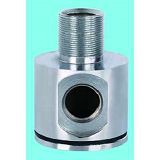
As a fuel dispenser hose supplier, we offer a range of hoses that are specifically designed for use with kerosene. Our hoses are made from high - quality synthetic elastomers that have been tested and proven to be resistant to kerosene. We also offer a variety of Fuel Dispenser Connector Fittings that are compatible with our hoses, ensuring a secure and leak - free connection.
In addition to our standard fuel dispenser hoses, we also provide Specialty Gas Pipe Fittings for applications where kerosene is used in combination with other gases. These fittings are designed to meet the specific requirements of the gas industry and are made from materials that are resistant to the chemicals and pressures involved.

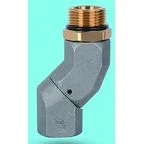
For customers who require high - performance fittings, we offer Stainless Steel Hydraulic Fittings. These fittings are made from stainless steel, which provides excellent corrosion resistance and durability, making them suitable for use in harsh environments where kerosene is present.
Importance of Using Compatible Hoses
Using a fuel dispenser hose that is not compatible with kerosene can have serious consequences. Leaks can occur, which not only waste fuel but also pose a safety hazard. Kerosene is flammable, and a leak can lead to the risk of fire or explosion. In addition, a degraded hose can cause problems with the fuel dispensing system, such as reduced flow rates or inaccurate fuel measurements.
How to Choose the Right Hose
When choosing a fuel dispenser hose for kerosene, it is important to consider the following factors:
- Material Compatibility: Ensure that the hose is made from a material that is resistant to kerosene. Look for hoses made from nitrile rubber or fluorocarbon rubber.
- Hose Rating: Check the hose's rating for pressure, temperature, and chemical resistance. Make sure the hose can handle the operating conditions of your fuel dispensing system.
- Certification: Look for hoses that are certified by relevant industry standards. This ensures that the hose has been tested and meets the required safety and performance criteria.
Conclusion
In conclusion, fuel dispenser hoses can be suitable for kerosene, but it is crucial to choose the right hose for the job. Our company, as a fuel dispenser hose supplier, is committed to providing high - quality hoses and fittings that are compatible with kerosene. We understand the importance of safety and performance in the fuel industry, and we strive to offer products that meet the highest standards.
If you are in the market for fuel dispenser hoses or related fittings for kerosene applications, we invite you to contact us for more information. Our team of experts is ready to assist you in selecting the right products for your specific needs. We look forward to the opportunity to work with you and help you find the best solutions for your fuel dispensing requirements.
References
- ASTM International. (Year). Standard Specification for Rubber Fuel Dispensing Hose. ASTM D2202.
- API (American Petroleum Institute). (Year). Recommended Practices for Fuel Dispensing Facilities and Safety. API RP 1002.