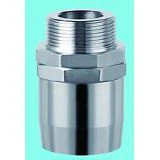
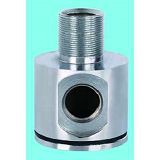
Hey there, fellow vehicle owners and enthusiasts! If you're like me, you know how crucial it is to have the right fuel hose coupler for your vehicle. As a supplier of Fuel Hose Couplers, I've seen firsthand the impact that a proper coupler can have on your vehicle's performance and safety. In this blog post, I'll share some tips on how to choose the right fuel hose coupler for your vehicle.
Understanding Your Vehicle's Requirements
First things first, you need to understand your vehicle's specific requirements. Different vehicles have different fuel systems, and these systems can vary in terms of pressure, flow rate, and the type of fuel they use. For example, a high - performance sports car might have a fuel system that requires a coupler capable of handling high pressure and a large flow rate. On the other hand, a small economy car might have a more standard fuel system with lower pressure and flow requirements.
Check your vehicle's manual to find out the exact specifications for your fuel system. This will give you a clear idea of the pressure rating, flow rate, and the type of fuel (gasoline, diesel, ethanol - blended, etc.) that your coupler needs to be compatible with.
Material Matters
The material of the fuel hose coupler is another important factor to consider. There are several materials commonly used in the manufacturing of fuel hose couplers, each with its own advantages and disadvantages.
- Brass: Brass is a popular choice for fuel hose couplers. It's relatively inexpensive, corrosion - resistant, and has good strength. It can handle a wide range of fuel types and is suitable for many general - purpose applications. However, brass may not be the best choice for extremely high - pressure systems.
- Stainless Steel: Stainless steel couplers are known for their durability and resistance to corrosion. They can withstand harsh environments and are often used in heavy - duty applications. If your vehicle is used in a corrosive environment, such as near the ocean or in areas with a lot of road salt, stainless steel couplers might be a great option.
- Aluminum: Aluminum couplers are lightweight and offer good corrosion resistance. They are often used in applications where weight is a concern, such as in some racing vehicles. You can check out our Aluminium Fuel Nozzle Swivel for more details on aluminum - based fuel - related products.
Compatibility with Hose and Nozzle
Your fuel hose coupler needs to be compatible with both the fuel hose and the fuel nozzle. Make sure that the coupler has the right size and thread type to fit your hose properly. A loose or ill - fitting connection can lead to fuel leaks, which are not only a waste of fuel but also a safety hazard.
Similarly, the coupler should be able to connect securely to the fuel nozzle. There are different types of connections available, such as quick - connect couplings and threaded connections. Consider which type is most convenient and reliable for your specific needs. You can explore our Fuel Nozzle Coupling to see some of the options we offer for nozzle connections.
Seal Quality
A good seal is essential to prevent fuel leaks. Look for couplers with high - quality seals made from materials that are resistant to the type of fuel you're using. O - rings are a common type of seal used in fuel hose couplers. Make sure the O - rings are made from a fuel - resistant rubber or elastomer.
When you're inspecting the coupler, check the seal for any signs of damage or wear. A damaged seal can lead to fuel leaks, which can be dangerous and costly. If you're unsure about the seal quality, you can always ask us for more information about the seals used in our products.
Pressure and Flow Ratings
As mentioned earlier, your coupler needs to be able to handle the pressure and flow rate of your vehicle's fuel system. The pressure rating indicates the maximum pressure that the coupler can safely withstand without leaking or failing. The flow rate, on the other hand, determines how much fuel can pass through the coupler per unit of time.
Make sure the pressure and flow ratings of the coupler match or exceed the requirements of your vehicle's fuel system. Using a coupler with a lower pressure or flow rating than your system requires can lead to performance issues and potential safety problems.
Ease of Installation and Maintenance
Nobody wants to spend hours installing or maintaining a fuel hose coupler. Look for couplers that are easy to install. Some couplers come with simple quick - connect mechanisms that allow you to attach and detach the coupler quickly.
Maintenance is also an important consideration. Couplers that are easy to clean and inspect will save you time and effort in the long run. For example, couplers with removable parts can be more easily cleaned and maintained.
Regulatory Compliance
In many regions, there are regulations regarding the use of fuel hose couplers. These regulations are in place to ensure safety and environmental protection. Make sure the coupler you choose complies with all relevant regulations in your area.
We, as a supplier, ensure that all our Hose Connection Coupling products meet the necessary regulatory standards. This gives you peace of mind knowing that you're using a safe and compliant product.
Cost - Benefit Analysis
Finally, you need to consider the cost - benefit ratio. While it might be tempting to go for the cheapest option, remember that a low - quality coupler can end up costing you more in the long run due to leaks, performance issues, and potential safety hazards.
On the other hand, you don't necessarily need to go for the most expensive coupler either. Look for a coupler that offers a good balance between quality and cost. Our range of fuel hose couplers is designed to provide high - quality products at competitive prices.
Conclusion
Choosing the right fuel hose coupler for your vehicle is not a decision to be taken lightly. By considering factors such as your vehicle's requirements, material, compatibility, seal quality, pressure and flow ratings, ease of installation and maintenance, regulatory compliance, and cost - benefit ratio, you can make an informed decision.


If you're still unsure about which fuel hose coupler is right for your vehicle, don't hesitate to reach out to us. We're here to help you find the perfect coupler for your needs. Whether you're a professional mechanic or a DIY enthusiast, we have the expertise and products to meet your requirements. Contact us today to start discussing your fuel hose coupler needs and let's get your vehicle running smoothly and safely.
References
- Automotive Fuel System Handbook, various authors
- Industry standards and regulations related to fuel hose couplers