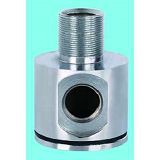
Hey there, fellow machinery enthusiasts! As a supplier of the awesome Two Window Oil Sight, I'm stoked to dive into a comparison between our trusty Two Window Oil Sight and those electronic oil level sensors. Let's break it down and see which one comes out on top in the real world of machinery maintenance.
How It Works
First off, let's talk about how these two things operate. The Two Window Oil Sight is a simple yet effective device. It's basically a clear sight glass with two windows. You can directly see the oil level inside the machinery. It's like having a little window into the heart of your equipment. You just take a quick look, and boom, you know if your oil is at the right level. It's super straightforward and doesn't require any fancy electronics or programming.
On the other hand, electronic oil level sensors are a bit more high - tech. They use sensors to detect the oil level and then send that information to a control unit. This control unit can display the oil level on a screen or even send alerts to your phone or computer. Sounds cool, right? Well, it is, but it also comes with its own set of complications.
Accuracy
When it comes to accuracy, both have their pros and cons. The Two Window Oil Sight gives you a direct visual of the oil level. As long as the glass is clean and you're looking at it correctly, you can get a pretty accurate reading. It's not affected by electrical interference or software glitches. You can see the actual oil line, which is a pretty reliable way to gauge the level.
Electronic oil level sensors are generally accurate too, but they can be finicky. Sometimes, they can give false readings due to sensor malfunctions, electrical noise, or software bugs. For example, if there's a problem with the sensor's calibration, it might show an incorrect oil level. And let's face it, fixing these electronic issues can be a real pain in the neck.
Durability
Now, let's talk about durability. The Two Window Oil Sight is built like a tank. It's made of high - quality materials that can withstand a lot of wear and tear. The glass is tough, and the housing is usually made of sturdy metal. It can handle high temperatures, vibrations, and even some rough handling. It doesn't rely on any delicate electronics, so there's less that can go wrong.
Electronic oil level sensors, on the other hand, are more fragile. They have sensitive components that can be easily damaged by shock, moisture, or extreme temperatures. If a sensor gets damaged, you might have to replace the whole unit, which can be expensive. And let's not forget about the wiring. Loose or damaged wires can also cause problems with the sensor's performance.
Cost
Cost is always a big factor when it comes to choosing the right equipment. The Two Window Oil Sight is a budget - friendly option. It's relatively inexpensive to purchase and install. You don't need any special tools or technicians to set it up. Just mount it on your machinery, and you're good to go.
Electronic oil level sensors, on the other hand, can be quite pricey. Not only do you have to pay for the sensor itself, but you also need to factor in the cost of installation, which might require a professional electrician. And if something goes wrong, the repair costs can add up quickly.
Ease of Use
The Two Window Oil Sight wins hands down when it comes to ease of use. You don't need any training or technical knowledge to read it. Just take a look through the windows, and you can tell if the oil level is okay. It's as simple as that.
Electronic oil level sensors, while they offer more features like remote monitoring, can be a bit complicated to use. You might need to spend some time learning how to operate the control unit and interpret the data. And if you're not tech - savvy, it can be a real headache.


Compatibility
The Two Window Oil Sight is highly compatible with a wide range of machinery. It can be installed on almost any equipment that uses oil, whether it's a small engine or a large industrial machine. It doesn't require any special modifications to the machinery.
Electronic oil level sensors, on the other hand, might have compatibility issues. They need to be compatible with the control system of the machinery, and sometimes, you might need to make some adjustments or upgrades to the system to get them to work properly.
Other Options
If the Two Window Oil Sight isn't quite what you're looking for, we also offer Four Window Oil Sight and Aluminum Four Window Oil Sight. The Four Window Oil Sight gives you an even better view of the oil level, with four windows instead of two. And the Aluminum Four Window Oil Sight is made of lightweight and durable aluminum, which is great for applications where weight is a concern.
Conclusion
So, which one is better? Well, it depends on your specific needs. If you're looking for a simple, reliable, and cost - effective way to monitor your oil level, the Two Window Oil Sight is a great choice. It's easy to use, durable, and doesn't require any fancy electronics.
On the other hand, if you need advanced features like remote monitoring and data logging, and you're willing to pay the extra cost and deal with the potential complications, an electronic oil level sensor might be the way to go.
If you're interested in learning more about our Two Window Oil Sight or any of our other products, don't hesitate to reach out. We're here to help you make the right choice for your machinery. Let's have a chat and see how we can meet your oil level monitoring needs.
References
- General knowledge about oil sight glasses and electronic oil level sensors from industry experience.