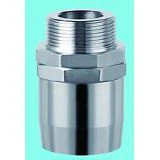
Hey there! As a supplier of Foot Pedal Hydraulic Valve, I often get asked about how to adjust the valve - opening and closing times of a foot pedal hydraulic valve. So, I thought I'd share some insights on this topic.
First off, let's understand why adjusting the valve - opening and closing times is important. In a hydraulic system, the timing of valve opening and closing can significantly affect the performance of the entire setup. It can impact the speed of the hydraulic actuator, the pressure within the system, and overall efficiency.
Understanding the Basics of Foot Pedal Hydraulic Valves
Before we dive into the adjustment process, let's quickly go over how a foot pedal hydraulic valve works. A foot pedal hydraulic valve is a type of valve that is operated by foot pressure. When you press the foot pedal, it controls the flow of hydraulic fluid, which in turn moves the hydraulic actuator.
These valves are commonly used in various applications, such as in industrial machinery, automotive repair shops, and even some agricultural equipment. They offer a hands - free operation, which is very convenient in many work scenarios.
Tools You'll Need
To adjust the valve - opening and closing times, you'll need a few basic tools. A wrench is essential for loosening and tightening the adjustment screws. You might also need a pressure gauge to measure the hydraulic pressure accurately. And of course, a pen and paper to record your settings.
Step - by - Step Adjustment Process
Step 1: Safety First
Before you start any adjustment, make sure the hydraulic system is turned off and depressurized. This is crucial to prevent any accidents or injuries. You don't want hydraulic fluid spraying all over the place!
Step 2: Locate the Adjustment Screws
Most foot pedal hydraulic valves have adjustment screws that control the opening and closing times. These screws are usually located on the valve body. You may need to refer to the valve's manual to find the exact location.


Step 3: Initial Inspection
Take a good look at the valve and the adjustment screws. Check for any signs of damage or wear. If you notice any issues, it's best to replace the damaged parts before proceeding with the adjustment.
Step 4: Make Small Adjustments
Start by making small adjustments to the opening time. Turn the adjustment screw in small increments. As you turn the screw, you'll notice a change in the valve's behavior. Use the pressure gauge to monitor the pressure changes.
For example, if you want to increase the opening time, turn the screw in the direction that allows more fluid to flow through the valve. But be careful not to over - adjust, as this can lead to problems like excessive pressure or a slow - acting actuator.
Step 5: Test the Valve
After making an adjustment, test the valve by operating the foot pedal. Observe how the actuator moves and how the pressure changes. If the valve is opening and closing too quickly or too slowly, make further adjustments.
Step 6: Record Your Settings
It's important to record the settings you've made. This will help you if you need to make further adjustments in the future or if you want to replicate the settings on another valve.
Common Issues and Solutions
Sometimes, you might encounter some issues during the adjustment process. Here are a few common problems and how to solve them:
Problem 1: The Valve Isn't Opening or Closing Completely
This could be due to a blockage in the valve or a problem with the adjustment. Check for any debris in the valve and clean it if necessary. If the adjustment is the issue, try making further adjustments to the opening and closing times.
Problem 2: Excessive Pressure
If you notice that the pressure in the system is too high, it could be because the valve is opening too quickly. Try reducing the opening time by turning the adjustment screw in the opposite direction.
Problem 3: Slow Actuator Movement
If the actuator is moving slowly, it might be because the valve is closing too quickly. Increase the opening time to allow more fluid to flow through the valve.
Related Products
If you're in the market for other types of valves, we also offer Pipeline Check Valve and New Type Check Valve. These valves are designed to ensure the proper flow of fluid in a pipeline and prevent backflow.
Conclusion
Adjusting the valve - opening and closing times of a foot pedal hydraulic valve is not as complicated as it might seem. With the right tools and a bit of patience, you can fine - tune the valve to meet your specific needs.
If you're interested in purchasing foot pedal hydraulic valves or other related products, feel free to reach out to us for more information and to start a procurement discussion. We're here to help you find the best solutions for your hydraulic system.
References
- Hydraulic Systems Handbook
- Valve Technology Manuals