Removing a hose connection coupling might seem like a daunting task, especially if you're not familiar with the process. As a leading supplier of Hose Connection Couplings, I'm here to guide you through the steps to ensure a safe and efficient removal. Whether you're dealing with a connection on a garden hose, an industrial pipeline, or a fuel system, the principles remain largely the same. Let's dive into the details.
Understanding Hose Connection Couplings
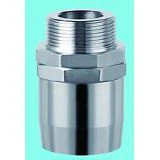
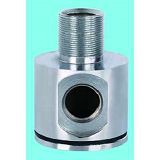
Before we start removing the coupling, it's crucial to understand what it is and how it functions. A hose connection coupling is a device used to connect two hoses or a hose to a fitting or a valve. They come in different shapes, sizes, and materials, depending on the application. For instance, Fuel Nozzle Swivel Joint is designed specifically for fuel systems, allowing for flexibility and easy maneuverability. Similarly, Multi Plane Swivel provides multi - directional movement, which is essential in complex industrial setups. And the Aluminium Fuel Nozzle Swivel offers a lightweight yet durable option for fuel - related applications.
Tools Required for Removing Hose Connection Couplings
To remove a hose connection coupling, you'll need a few essential tools. These include:
- Adjustable Wrench: This is used to loosen the nuts or bolts on the coupling. An adjustable wrench allows you to fit different sizes of fasteners.
- Pliers: Pliers can be handy for gripping small parts and providing extra leverage when needed.
- Safety Gloves: Protect your hands from sharp edges, chemicals, or hot surfaces.
- Safety Glasses: Shield your eyes from any debris that might be released during the removal process.
Step - by - Step Guide to Removing a Hose Connection Coupling
Step 1: Prepare the Work Area
First and foremost, you need to prepare the work area. Make sure the area is clean and well - lit. If you're working with a fuel or chemical hose, ensure proper ventilation to avoid inhaling any fumes. Turn off any power sources or valves that are connected to the hose system. This will prevent any accidental spills or pressure surges during the removal process.
Step 2: Identify the Type of Coupling
There are different types of hose connection couplings, such as threaded couplings, quick - connect couplings, and clamp - type couplings. Identifying the type of coupling you have is crucial as it will determine the removal method.
- Threaded Couplings: These couplings are tightened by screwing them together. To remove a threaded coupling, use an adjustable wrench to grip the nut or the male part of the coupling. Turn the wrench counter - clockwise to loosen the threads. Be careful not to apply too much force, as this can damage the threads.
- Quick - Connect Couplings: Quick - connect couplings are designed for easy and fast connection and disconnection. They usually have a release mechanism, such as a collar or a button. To remove a quick - connect coupling, locate the release mechanism and press or pull it while gently pulling the hoses apart.
- Clamp - Type Couplings: Clamp - type couplings use a clamp to hold the hoses together. To remove a clamp - type coupling, use pliers to loosen the clamp. Once the clamp is loose, slide it off the hose and then separate the hoses.
Step 3: Inspect the Coupling
Before completely removing the coupling, inspect it for any signs of damage, such as cracks, leaks, or worn - out seals. If you notice any damage, it's a good idea to replace the coupling with a new one. This will ensure the integrity of the hose system and prevent future leaks or failures.
Step 4: Remove the Coupling
Once you've identified the type of coupling and inspected it, proceed with the removal. If you're dealing with a threaded coupling, continue turning the wrench until the coupling is completely loose. For quick - connect couplings, keep pressing or pulling the release mechanism until the hoses separate. In the case of clamp - type couplings, make sure the clamp is fully removed before attempting to separate the hoses.
Step 5: Clean the Hose and the Coupling
After removing the coupling, clean the ends of the hoses and the coupling itself. Use a rag or a brush to remove any dirt, debris, or old sealant. This will ensure a proper connection when you install a new coupling or re - connect the hoses.
Troubleshooting Common Issues
Sometimes, removing a hose connection coupling can be more challenging than expected. Here are some common issues and how to troubleshoot them:
- Stuck Couplings: If the coupling is stuck, you can try applying a penetrating oil to the threads or the connection area. Let the oil sit for a few minutes to allow it to seep in and loosen the parts. Then, try using the wrench or pliers again to remove the coupling.
- Damaged Threads: If the threads on the coupling or the hose are damaged, you might need to use a thread repair kit. These kits come with inserts or taps that can help restore the threads. In some cases, it might be necessary to replace the damaged part entirely.
- Seized Couplings: A seized coupling is one that is extremely difficult to remove due to corrosion or rust. In this case, you can try using heat to expand the metal. Use a heat gun or a torch to carefully heat the coupling for a few minutes. Be careful not to overheat the area, as this can damage the hoses or other components. Once the coupling has expanded, try to remove it using the appropriate tools.
Why Choose Our Hose Connection Couplings
As a supplier of high - quality Hose Connection Couplings, we understand the importance of reliability and durability. Our products are made from top - grade materials and undergo strict quality control measures to ensure they meet the highest standards. Whether you need a Fuel Nozzle Swivel Joint for your fuel system, a Multi Plane Swivel for your industrial application, or an Aluminium Fuel Nozzle Swivel for a lightweight solution, we have you covered.


Contact Us for Your Hose Coupling Needs
If you're in the market for new hose connection couplings or have any questions about the removal process, feel free to contact us. We have a team of experts who can provide you with the right advice and help you find the perfect coupling for your specific requirements. Our goal is to ensure your satisfaction and the efficient operation of your hose systems.
References
- "Hose Fittings and Couplings Handbook" - A comprehensive guide on hose fittings and their applications.
- "Industrial Pipe and Hose Systems" - This book provides in - depth knowledge about the design, installation, and maintenance of industrial hose systems.
- Manufacturer's manuals for specific hose connection couplings, which often contain detailed instructions on installation and removal.