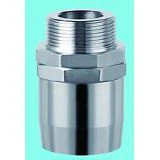
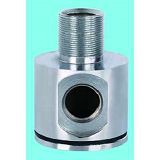
Hey there! As a supplier of Fuel Nozzle Couplings, I often get asked about the cleanability requirements for these crucial components in a refueling station. Let's dive right into it and explore what it takes to keep fuel nozzle couplings clean and in top - notch condition.
Why Cleanliness Matters
First off, why is cleanliness so important for fuel nozzle couplings? Well, in a refueling station, these couplings are constantly exposed to fuel, dirt, and other contaminants. If they're not kept clean, it can lead to a whole bunch of problems. For starters, dirty couplings can cause leaks. When there's dirt or debris in the coupling, it can prevent a proper seal, allowing fuel to escape. This is not only a waste of fuel but also a safety hazard, as fuel spills can lead to fires or environmental damage.
Secondly, cleanliness affects the performance of the fuel nozzle. A dirty coupling can make it difficult to connect and disconnect the nozzle, which can slow down the refueling process. It can also cause the nozzle to malfunction, leading to inaccurate fuel dispensing. And let's face it, no one wants to deal with a faulty fuel nozzle when they're in a hurry to fill up their tank.
Cleanability Requirements
Physical Cleaning
The first step in keeping fuel nozzle couplings clean is physical cleaning. This involves removing any visible dirt, debris, or fuel residue from the surface of the coupling. You can use a soft - bristle brush to gently scrub the coupling, being careful not to damage it. A mild detergent can also be used to help break down stubborn dirt. After scrubbing, rinse the coupling thoroughly with clean water to remove all the soap and dirt.
It's important to clean the coupling regularly, especially if it's used frequently. A good rule of thumb is to clean the coupling at least once a week, or more often if it's exposed to a lot of dirt or contaminants.
Chemical Cleaning
In some cases, physical cleaning may not be enough to remove all the contaminants from the fuel nozzle coupling. That's where chemical cleaning comes in. There are various cleaning agents available on the market that are specifically designed for cleaning fuel - related components.
When using a chemical cleaner, it's important to follow the manufacturer's instructions carefully. Some cleaners may require dilution, and others may need to be soaked for a certain period of time. Always wear protective gloves and goggles when handling chemical cleaners to avoid any skin or eye irritation.
Inspection
Cleaning isn't just about making the coupling look good; it's also about ensuring that it's in good working condition. After cleaning, it's important to inspect the coupling for any signs of damage or wear. Look for cracks, scratches, or other defects that could affect the performance of the coupling.
If you notice any damage, it's important to replace the coupling as soon as possible. Continuing to use a damaged coupling can lead to more serious problems down the line, such as leaks or malfunctions.
Our Products and Their Cleanability
At our company, we understand the importance of cleanability when it comes to fuel nozzle couplings. That's why we design our products with cleanliness in mind. Our couplings are made from high - quality materials that are resistant to corrosion and easy to clean.
We also offer a range of products that are specifically designed to make the cleaning process easier. For example, our Universal Joint for Fuel Hose Nozzle is designed with smooth surfaces that make it easy to wipe off dirt and debris. The Swivel Fuel Nozzle Aluminium is made from lightweight yet durable aluminum, which is not only resistant to corrosion but also easy to clean. And our Fuel Nozzle Swivel is designed to allow for easy disassembly, making it easier to clean the internal components.
Maintenance Schedule
To ensure that your fuel nozzle couplings remain clean and in good working condition, it's important to establish a regular maintenance schedule. This schedule should include both physical and chemical cleaning, as well as inspections.
Here's a sample maintenance schedule:
- Daily: Wipe down the coupling with a clean, dry cloth to remove any surface dirt or fuel residue.
- Weekly: Perform a more thorough physical cleaning using a soft - bristle brush and mild detergent. Rinse the coupling thoroughly with clean water.
- Monthly: Conduct a chemical cleaning using a suitable cleaning agent. Follow the manufacturer's instructions carefully.
- Quarterly: Inspect the coupling for any signs of damage or wear. Replace any damaged components as necessary.
Contact Us for Your Fuel Nozzle Coupling Needs
If you're in the market for high - quality fuel nozzle couplings that are easy to clean and maintain, look no further. We're a leading supplier of fuel nozzle couplings, and we're committed to providing our customers with the best products and services.
We understand that every refueling station has different needs, and we're here to help you find the right coupling for your specific requirements. Whether you need a standard coupling or a custom - designed one, we can provide you with the solution you need.


So, if you're interested in learning more about our products or have any questions about cleanability requirements, don't hesitate to get in touch. We're always happy to hear from our customers and help them find the best solutions for their refueling needs.
References
- "Fuel Nozzle Maintenance Guide", Industry Standard Handbook
- "Best Practices for Cleaning Fuel - Related Components", Fuel Industry Journal