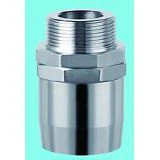
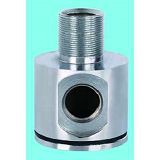
Hey there! As a supplier of ordinary rupture valves, I've had my fair share of questions about the differences between ordinary rupture valves and pH - control valves. So, let's dive right in and break down these differences.
1. Basic Function
First off, let's talk about what these valves are designed to do. An ordinary rupture valve is mainly used to protect systems from over - pressure situations. When the pressure in a system exceeds a pre - set limit, the rupture disc inside the valve bursts, releasing the excess pressure and preventing potential damage to the equipment. It's like a safety mechanism that kicks in when things get too intense pressure - wise.
On the other hand, a pH - control valve is all about maintaining the right pH level in a system. In many industrial processes, the pH of a liquid or solution is crucial. For example, in water treatment plants, the pH of the water needs to be carefully regulated to ensure effective treatment. A pH - control valve adjusts the flow of chemicals into the system to keep the pH within the desired range.
2. Working Principle
The working principle of an ordinary rupture valve is pretty straightforward. It has a rupture disc, which is a thin, circular piece of metal or other material. When the pressure reaches the disc's rated burst pressure, it breaks. Once the disc ruptures, the valve opens up, and the excess pressure is released. It's a one - time use device, meaning after the disc bursts, you need to replace it.
A pH - control valve operates based on feedback from a pH sensor. The sensor continuously measures the pH of the liquid in the system. If the pH is too high or too low, the valve adjusts the flow of acid or base into the system. For instance, if the pH is too high (basic), the valve will allow more acid to flow in to lower the pH. It's a continuous, dynamic process that keeps the pH stable.
3. Construction and Design
Ordinary rupture valves are relatively simple in design. They usually consist of a housing, a rupture disc, and some connection points to the system. The housing is made of materials that can withstand high pressures, like stainless steel or carbon steel. The rupture disc is carefully calibrated to burst at a specific pressure.
pH - control valves, however, are more complex. They need to be connected to a pH sensor and a control system. The valve body is often made of materials that are resistant to the chemicals being used. For example, in a chemical processing plant, the valve might be made of materials like polyvinyl chloride (PVC) or Teflon to resist corrosion from acids and bases.


4. Applications
Ordinary rupture valves are commonly used in industries where over - pressure can be a serious problem. For example, in oil and gas refineries, they are used in pipelines and storage tanks to prevent explosions due to excessive pressure. They are also used in steam systems, where high - pressure steam can cause damage to equipment if not properly controlled.
pH - control valves are widely used in industries that deal with liquids where pH is critical. Water treatment plants are a prime example, as mentioned earlier. They are also used in the food and beverage industry, where the pH of products like juices and dairy products needs to be carefully controlled for quality and safety reasons.
5. Maintenance and Lifespan
Maintenance for an ordinary rupture valve is relatively simple. You just need to check the valve regularly to make sure the rupture disc is in good condition. However, once the disc has burst, you need to replace it. The lifespan of an ordinary rupture valve depends on the quality of the materials and the operating conditions. In a well - maintained system, a rupture valve can last for several years.
pH - control valves require more maintenance. The pH sensor needs to be calibrated regularly to ensure accurate readings. The valve itself may also need to be cleaned and inspected to prevent clogging from chemicals. The lifespan of a pH - control valve can vary depending on the frequency of use and the type of chemicals it comes into contact with.
6. Cost
The cost of an ordinary rupture valve is generally lower compared to a pH - control valve. This is because of its simpler design and construction. However, the cost can vary depending on the size, material, and pressure rating of the valve.
pH - control valves are more expensive due to their complexity. They require a pH sensor, a control system, and often more advanced materials. The cost also includes the cost of installation and calibration.
7. Safety Considerations
Both types of valves play important roles in safety, but in different ways. An ordinary rupture valve provides protection against over - pressure, which can prevent catastrophic failures like explosions. It's a passive safety device that kicks in when needed.
A pH - control valve helps maintain the safety and quality of the process. In industries like water treatment, incorrect pH levels can lead to ineffective treatment and potential health risks. So, a properly functioning pH - control valve is essential for ensuring the safety of the end - product.
Links to Related Products
If you're interested in other types of valves, check out these links:
Conclusion
In conclusion, ordinary rupture valves and pH - control valves serve very different purposes. An ordinary rupture valve is all about pressure protection, while a pH - control valve is focused on maintaining the right pH level in a system. Understanding these differences is crucial when choosing the right valve for your specific application.
If you're in the market for an ordinary rupture valve, I'd love to have a chat with you. Whether you need help selecting the right valve for your system or have any questions about our products, don't hesitate to reach out. Let's work together to find the best solution for your needs.
References
- "Valve Handbook" by Milton W. Lieberman
- "Industrial Process Control" by Dale R. Patrick