When it comes to pipe fittings, brass and bronze are two materials that are often compared. As a pipe fitting supplier, I've dealt with a ton of projects that involve these materials. So, let's have a chat about the differences between brass and bronze pipe fittings.
Composition
First off, let's talk about what these materials are made of. Brass is basically an alloy of copper and zinc. The amount of zinc can vary, but usually, it's anywhere from 5% to 45%. The cool thing about brass is that by changing the zinc content, you can get different properties. For instance, more zinc generally means the brass is stronger and more ductile.
On the other hand, bronze is an alloy of copper and tin. Just like brass, the tin content can vary, typically around 1% to 20%. Sometimes, other elements like aluminum, manganese, or phosphorus are added to enhance certain properties. Bronze is known for being strong and resistant to corrosion, especially in marine settings.
Physical Properties
One of the most noticeable differences between brass and bronze pipe fittings is their appearance. Brass usually has a golden - yellow color. It's quite shiny and has a luster that makes it look decorative. That's why you often see brass used in architectural applications where aesthetics matter.
Bronze, however, has a more reddish - brown to golden - brown color. Its appearance is a bit more subdued compared to brass, but it has a certain rustic charm.
In terms of hardness, bronze is generally harder than brass. This makes bronze pipe fittings more suitable for applications where there's a lot of wear and tear. For example, if you're dealing with a high - pressure system where the fittings might be subject to abrasion, bronze could be a better choice.
Brass, on the other hand, is more malleable and ductile. It can be easily shaped into different forms, which is great for making complex pipe fitting designs. You can bend, twist, and form brass fittings relatively easily during the manufacturing process.
Corrosion Resistance
Both brass and bronze have good corrosion resistance, but they perform differently in various environments.
Brass is resistant to corrosion in many mild environments, such as those with low humidity and no exposure to harsh chemicals. However, in the presence of ammonia or certain acids, brass can suffer from corrosion. This is known as dezincification, where the zinc in the brass gets removed by the corrosive agents, leaving behind a porous copper structure.
Bronze, especially when it's a well - formulated alloy, is highly resistant to corrosion. It's commonly used in marine applications, like on boats and in docks. The tin in bronze forms a protective oxide layer on the surface, which prevents further corrosion. This makes bronze pipe fittings a great choice for systems that come into contact with water or other corrosive substances on a regular basis.
Strength and Durability
When it comes to strength, bronze takes the lead. Its high hardness and the way its alloying elements work together give it excellent tensile and compressive strength. This means that bronze pipe fittings can withstand high pressures and heavy loads without deforming or breaking easily.
Brass also has decent strength, but it's not as strong as bronze in general. If you're dealing with a relatively low - pressure system or a situation where the loads are not too heavy, brass fittings will work just fine. They can still provide reliable service for a long time.
In terms of durability, both materials can last a long time if they're properly installed and maintained. But due to its better corrosion resistance and strength, bronze fittings tend to have a longer lifespan, especially in harsh environments.
Cost
Cost is always an important factor when choosing pipe fittings. Generally, brass is less expensive than bronze. The reason for this is that zinc, the main alloying element in brass, is more abundant and less costly than tin, which is used in bronze.
So, if you're on a tight budget and your application doesn't require the extra strength and corrosion resistance of bronze, brass fittings could be a more cost - effective option.
Applications
Brass pipe fittings are widely used in many common applications. In plumbing systems, brass fittings are very popular because of their ease of installation and good corrosion resistance in normal water conditions. They're also used in heating systems, where they can handle the relatively low - pressure hot water.

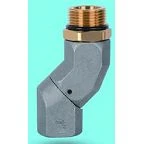
Another area where brass shines is in decorative applications. You can find brass fittings in furniture, architectural details, and even musical instruments. Its attractive appearance makes it a top choice for these kinds of projects. You can also check out our Fuel Dispenser Hose section, where some brass fittings might be used in the fuel transfer systems.
Bronze pipe fittings, on the other hand, are commonly used in more demanding applications. In the marine industry, as I mentioned earlier, bronze is the go - to material for pipe fittings on boats and in seawater systems. It can handle the harsh saltwater environment without corroding quickly.
Bronze is also used in chemical processing plants, where it needs to resist the corrosive effects of chemicals. And in high - pressure hydraulic systems, bronze fittings can provide the strength and durability required. If you're looking for high - quality fittings for such systems, take a look at our Stainless Steel Hydraulic Fittings and Specialty Gas Pipe Fittings sections, where bronze might be an option in some cases.
Conclusion
In summary, brass and bronze pipe fittings have their own unique characteristics. Brass is more malleable, less expensive, and great for decorative and low - pressure applications. Bronze, on the other hand, is harder, stronger, and more corrosion - resistant, making it ideal for demanding environments.
If you're planning a pipe fitting project and need help deciding between brass and bronze, or if you have any questions about our products, don't hesitate to reach out. We're here to assist you in finding the best pipe fittings for your specific needs. Whether you're working on a small plumbing job or a large industrial project, we've got the expertise and the products to support you.
Let's have a discussion about your requirements, and we can work together to come up with the perfect solution. Whether it's the right type of material or the specific design of the fitting, we'll make sure you get what you need for a successful project.
References
- "Metals Handbook", ASM International.
- "Corrosion Resistance of Copper Alloys", Copper Development Association.