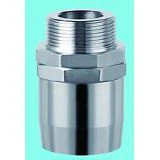
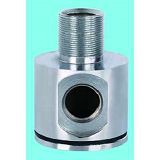
As a supplier of Ordinary Rupture Valves, I've had a front - row seat to their usage in various industries. While these valves are a common sight in many systems, they're not without their fair share of drawbacks. In this blog, I'll take you through some of the disadvantages that come with using an Ordinary Rupture Valve.
Limited Reusability
One of the most significant downsides of an Ordinary Rupture Valve is its lack of reusability. Once the valve has ruptured to relieve excess pressure in a system, it's pretty much done for. Unlike some other types of valves that can be reset and used again after an event, an ordinary rupture valve is a one - time deal. This means that every time there's a pressure spike that causes the valve to rupture, you have to replace it.


Think about the cost implications here. If you're running a large - scale industrial operation where pressure fluctuations are a regular occurrence, constantly having to buy new valves can really add up. It's not just the cost of the valve itself; there's also the labor involved in removing the old valve and installing the new one. And let's not forget the downtime. During the replacement process, your system might have to be shut down, which can lead to lost production and revenue.
Inability to Provide Precise Pressure Relief
Ordinary Rupture Valves are designed to rupture at a pre - set pressure. However, achieving precise pressure relief can be a bit of a challenge. There can be variations in the actual rupture pressure due to factors like manufacturing tolerances, material properties, and environmental conditions.
For example, if the valve is installed in an area where the temperature fluctuates widely, the material of the valve might expand or contract, affecting its rupture characteristics. This means that the valve might rupture either earlier or later than the intended pressure. In a situation where precise pressure control is crucial, such as in a chemical processing plant where a slight over - or under - pressure can lead to a dangerous reaction, this lack of precision can be a major problem.
Lack of Visibility and Monitoring
Another drawback is the lack of real - time visibility and monitoring capabilities. Once an Ordinary Rupture Valve is installed, there's no easy way to tell if it's still in good working condition or if it's close to rupturing. You can't just look at the valve and know what its internal stress levels are or if it's been compromised in any way.
In a modern industrial setting, having the ability to monitor the health of equipment is essential. It allows for proactive maintenance and can prevent unexpected failures. But with an ordinary rupture valve, you're often left in the dark until it actually ruptures. This reactive approach can be risky, especially in critical systems where a sudden valve failure can have serious consequences.
Susceptibility to Corrosion and Environmental Factors
Ordinary Rupture Valves are often exposed to harsh environments. They can be in contact with corrosive chemicals, high - humidity air, or extreme temperatures. Over time, these environmental factors can take a toll on the valve's integrity.
Corrosion is a particularly big issue. If the valve is made of a metal that's prone to corrosion, it can weaken the structure of the valve. This can lead to premature rupture or even a failure to rupture when it's supposed to. For example, in a marine environment where the air is salty, a steel rupture valve can corrode quickly. And once the corrosion sets in, it's only a matter of time before the valve's performance is affected.
Compatibility Issues
When it comes to integrating an Ordinary Rupture Valve into a system, compatibility can be a headache. These valves need to be compatible with the fluid, gas, or material flowing through the system. They also need to be compatible with the other components in the system, such as pipes, fittings, and pumps.
If the valve isn't compatible with the fluid, it can lead to chemical reactions that damage the valve. For instance, if a valve made of a certain type of plastic is used with a solvent that it's not compatible with, the plastic can dissolve or become brittle. And when it comes to compatibility with other components, improper sizing or connection can lead to leaks or inefficient operation.
Impact on System Performance
The rupture of an Ordinary Rupture Valve can have a significant impact on the overall performance of a system. When the valve ruptures, there's a sudden release of pressure and fluid or gas. This can cause shockwaves in the system, which can damage other components.
For example, in a pipeline system, the sudden release of pressure can cause pipes to vibrate or even burst. It can also disrupt the flow of the fluid or gas, leading to inefficiencies in the process. In some cases, the system might have to be shut down completely to assess and repair the damage caused by the valve rupture.
Alternatives and Their Benefits
If you're facing some of these issues with an Ordinary Rupture Valve, you might want to consider alternatives. For example, the Vapor Recovery Pull Off Valve offers better control over the flow and pressure in a system. It can be adjusted and reused, which saves on costs in the long run.
Another option is the Emergency Dual Shut Off Valve. This valve provides an extra layer of safety and can be more reliable in critical situations. It has features that allow for better monitoring and control, reducing the risk of unexpected failures.
Conclusion
While Ordinary Rupture Valves have been a staple in many industries for a long time, they do have their disadvantages. From limited reusability and imprecise pressure relief to compatibility issues and the impact on system performance, there are several areas where these valves fall short.
However, it's important to note that in some situations, an Ordinary Rupture Valve might still be the right choice. But if you're looking for more reliable, cost - effective, and efficient solutions, exploring alternatives like the Vapor Recovery Pull Off Valve or the Emergency Dual Shut Off Valve is definitely worth considering.
If you're in the market for shut - off valves and want to learn more about how to choose the right one for your needs, or if you have any questions about our Ordinary Rupture Valve and its applications, don't hesitate to reach out. We're here to help you make the best decision for your system.
References
- Industrial Valve Handbook: Covers general valve knowledge and performance characteristics.
- Journal of Pressure Vessel Technology: Contains research on pressure - relief devices and their limitations.
- Manufacturer's documentation on rupture valves: Provides information on design, installation, and maintenance.