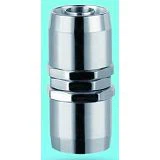
When it comes to ensuring the safety of students and staff in a school environment, one crucial aspect that often goes overlooked is the proper installation of a gas emergency shut off valve. As a trusted Gas Emergency Shut Off Valve supplier, I understand the significance of these valves in preventing potential gas-related disasters. In this blog post, I will delve into the installation requirements for a gas emergency shut off valve in a school, providing you with the essential information you need to make informed decisions.
Understanding the Importance of Gas Emergency Shut Off Valves
Gas emergency shut off valves are designed to automatically cut off the gas supply in the event of a gas leak, fire, or other emergency situations. These valves play a vital role in minimizing the risk of explosions, fires, and exposure to harmful gases, thereby protecting the lives and property of those within the school premises. By promptly shutting off the gas supply, these valves can prevent the escalation of emergencies and provide valuable time for evacuation and emergency response.
Regulatory Requirements
Before installing a gas emergency shut off valve in a school, it is essential to familiarize yourself with the relevant regulatory requirements. These requirements may vary depending on the location of the school and the specific type of gas being used. In general, schools are required to comply with local building codes, fire safety regulations, and gas safety standards.


For instance, in many areas, schools are required to install gas emergency shut off valves in areas where natural gas or propane is used, such as kitchens, laboratories, and boiler rooms. These valves must be installed in accordance with the manufacturer's instructions and meet the relevant safety standards. Additionally, schools may be required to conduct regular inspections and maintenance of these valves to ensure their proper functioning.
Location and Placement
The location and placement of the gas emergency shut off valve are critical factors that can affect its effectiveness. The valve should be installed in a readily accessible location that is easily visible and clearly marked. It should be located near the gas source, such as the gas meter or the point of entry into the building.
In a school setting, the gas emergency shut off valve should be installed in a central location that can be easily reached by school staff in the event of an emergency. It should be installed at a height that is convenient for operation, typically between 3 and 5 feet above the floor. Additionally, the valve should be installed in a dry and well-ventilated area to prevent corrosion and ensure its long-term reliability.
Compatibility with Existing Gas Systems
When selecting a gas emergency shut off valve for a school, it is important to ensure that it is compatible with the existing gas system. The valve should be designed to work with the specific type of gas being used, such as natural gas or propane. It should also be compatible with the pressure and flow rate of the gas system.
In some cases, it may be necessary to consult with a qualified gas technician or engineer to determine the appropriate valve for the school's gas system. They can assess the existing system and recommend a valve that meets the specific requirements of the school. Additionally, they can ensure that the valve is installed correctly and integrated with the existing gas system.
Installation and Maintenance
Proper installation and maintenance of the gas emergency shut off valve are essential to ensure its reliable operation. The valve should be installed by a qualified gas technician or installer who has experience working with gas systems. They should follow the manufacturer's instructions and comply with all relevant safety standards.
During the installation process, the technician should ensure that the valve is properly connected to the gas system and that all connections are tight and leak-free. They should also test the valve to ensure that it is functioning correctly and that it can be easily operated in an emergency.
In addition to proper installation, regular maintenance of the gas emergency shut off valve is also crucial. Schools should establish a maintenance schedule to ensure that the valve is inspected and tested on a regular basis. This may include checking for leaks, testing the operation of the valve, and lubricating the moving parts.
Training and Education
In addition to installing and maintaining the gas emergency shut off valve, it is also important to provide training and education to school staff on how to use the valve in an emergency. All school staff should be familiar with the location of the valve and how to operate it. They should also be trained on the signs and symptoms of a gas leak and the appropriate actions to take in the event of an emergency.
Schools can provide training and education through a variety of methods, such as in-person training sessions, online courses, and informational materials. It is important to ensure that all staff members receive regular training and that the training is updated as needed to reflect any changes in the gas system or the emergency response procedures.
Other Related Valves
In addition to gas emergency shut off valves, there are other types of valves that may be used in a school's gas system. For example, Vapor Recovery Pull Off Valve is designed to prevent the release of vapors during the refueling process, while Ordinary Rupture Valve is used to protect against overpressure in the gas system. These valves can also play an important role in ensuring the safety of the school's gas system.
Conclusion
Installing a gas emergency shut off valve in a school is a critical step in ensuring the safety of students and staff. By understanding the installation requirements, regulatory requirements, location and placement, compatibility with existing gas systems, installation and maintenance, and training and education, schools can ensure that their gas emergency shut off valves are installed correctly and functioning properly.
As a Gas Emergency Shut Off Valve supplier, I am committed to providing high-quality valves and comprehensive support to schools. If you are interested in learning more about our products or have any questions about the installation requirements for a gas emergency shut off valve in your school, please feel free to contact us. We would be happy to assist you in making the right decision for your school's safety.
References
- Local building codes and fire safety regulations
- Gas safety standards and guidelines
- Manufacturer's instructions for gas emergency shut off valves