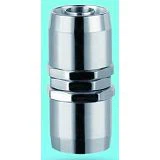
In the realm of fluid control systems, check valves play a crucial role in ensuring the one - way flow of fluids, preventing backflow and maintaining system integrity. Among the various types of check valves available in the market, the triangle check valve stands out for its unique design and specific applications. As a leading supplier of Triangle Check Valves, we often receive inquiries about the maximum flow velocity that these valves can handle. In this blog, we will delve into the factors that determine the maximum flow velocity of a triangle check valve and provide some insights to help you make informed decisions for your fluid control needs.
Understanding Triangle Check Valves
Before we discuss the maximum flow velocity, it's essential to have a basic understanding of what a triangle check valve is. A Triangle Check Valve is a type of check valve with a triangular - shaped closure mechanism. This design offers several advantages, including a compact size, quick response to flow changes, and a relatively low pressure drop. These valves are commonly used in various industries, such as water treatment, chemical processing, and oil and gas, where reliable one - way flow control is required.
Factors Affecting the Maximum Flow Velocity
The maximum flow velocity that a triangle check valve can withstand is influenced by several factors. Understanding these factors is crucial for accurately determining the appropriate valve for your specific application.


Valve Size
The physical size of the triangle check valve is one of the primary factors affecting its maximum flow velocity. Larger valve sizes generally have a higher maximum flow capacity because they offer a larger cross - sectional area for fluid flow. For example, a larger diameter triangle check valve will allow more fluid to pass through at a given velocity compared to a smaller one. However, it's important to note that simply increasing the valve size may not always be the best solution, as it can also lead to higher costs and potential installation challenges.
Valve Material
The material used to construct the triangle check valve also plays a significant role in determining its maximum flow velocity. Different materials have different properties, such as strength, corrosion resistance, and wear resistance. For instance, valves made from stainless steel are known for their high strength and corrosion resistance, which allows them to handle higher flow velocities without significant damage. On the other hand, valves made from plastic materials may have lower maximum flow velocities due to their relatively lower strength and durability.
Fluid Properties
The properties of the fluid flowing through the valve, such as viscosity, density, and temperature, can significantly impact the maximum flow velocity. Fluids with higher viscosities, like thick oils or syrups, require more energy to flow, which can limit the maximum flow velocity. Similarly, fluids with higher densities may exert more pressure on the valve, reducing the maximum flow velocity it can handle. Temperature can also affect fluid properties and the performance of the valve material. For example, high - temperature fluids may cause the valve material to expand or degrade, potentially reducing the valve's ability to handle high flow velocities.
System Pressure
The pressure within the fluid system also affects the maximum flow velocity of the triangle check valve. Higher system pressures can push the fluid through the valve at a higher velocity. However, the valve must be designed to withstand the pressure without experiencing leakage or damage. The valve's pressure - rating is an important specification to consider when determining the maximum flow velocity in a high - pressure system.
Calculating the Maximum Flow Velocity
Calculating the maximum flow velocity of a triangle check valve is not a straightforward task, as it requires considering all the factors mentioned above. However, there are some general guidelines and equations that can be used to estimate the maximum flow velocity.
One common approach is to use the Darcy - Weisbach equation, which relates the pressure drop, fluid properties, pipe diameter, and flow velocity. In the context of a triangle check valve, the pressure drop across the valve needs to be considered. The pressure drop is influenced by the valve's design, size, and flow rate.
Another method is to refer to the valve manufacturer's specifications. As a professional Triangle Check Valve supplier, we provide detailed performance data for our valves, including the maximum flow capacity and recommended flow velocities. Our engineers use advanced computational fluid dynamics (CFD) simulations and physical testing to accurately determine these values.
Importance of Choosing the Right Maximum Flow Velocity
Selecting the appropriate maximum flow velocity for your triangle check valve is crucial for the overall performance and reliability of your fluid control system. If the flow velocity is too high, it can cause excessive wear and tear on the valve components, leading to premature failure. High flow velocities can also generate excessive noise and vibration, which can be a nuisance and may even damage other components in the system.
On the other hand, if the flow velocity is too low, it may not be sufficient to meet the requirements of your application. This can result in reduced efficiency and productivity. Therefore, it's essential to carefully analyze your system requirements and choose a triangle check valve with the appropriate maximum flow velocity.
Comparing with Other Types of Check Valves
When considering a triangle check valve, it's also useful to compare it with other types of check valves, such as Pipeline Check Valve and New Type Check Valve. Each type of check valve has its own advantages and limitations in terms of maximum flow velocity.
Pipeline check valves are typically designed for use in pipelines and are often larger in size. They can generally handle higher flow rates and velocities, but they may also have a higher pressure drop. New type check valves, on the other hand, may incorporate innovative designs and materials to improve performance, such as lower pressure drops and higher maximum flow velocities. However, they may also be more expensive.
Contact Us for Your Triangle Check Valve Needs
As a trusted Triangle Check Valve supplier, we have the expertise and experience to help you select the right valve for your specific application. Our team of engineers can assist you in determining the maximum flow velocity required for your system and recommend the most suitable valve based on your needs.
Whether you are working on a small - scale water treatment project or a large - scale industrial application, we have a wide range of triangle check valves to meet your requirements. We are committed to providing high - quality products and excellent customer service.
If you are interested in learning more about our triangle check valves or would like to discuss your specific needs, please feel free to contact us. We look forward to the opportunity to work with you and help you achieve optimal performance in your fluid control system.
References
- Crane Technical Paper No. 410, "Flow of Fluids Through Valves, Fittings, and Pipe"
- ASME B31.3 Process Piping Code
- Valve Manufacturers Association (VMA) Standards