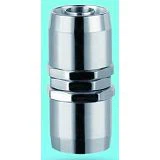
Transporting a glass oil level indicator might seem like a walk in the park, but trust me, it's a bit more complicated than you'd think. As a supplier of these nifty little devices, I've seen it all – from minor scratches to complete breakage during transit. So, what's the best way to transport a glass oil level indicator? Let's dive in and find out.
Understanding the Fragility of Glass Oil Level Indicators
First off, it's important to recognize why these indicators need special handling. Glass is fragile, and any sudden impact or vibration can cause it to crack or shatter. A damaged glass oil level indicator is not only useless but can also pose a safety hazard. That's why we need to take extra precautions when transporting them.
Packaging is Key
The first step in ensuring safe transportation is proper packaging. You wouldn't just throw a glass indicator in a box and call it a day, right? No way! You need to use high-quality packaging materials that can absorb shocks and vibrations.
- Foam Padding: Foam is your best friend here. It provides excellent cushioning and can protect the glass from minor impacts. Wrap the glass oil level indicator in a thick layer of foam, making sure to cover all sides. You can use pre-cut foam inserts or custom-made foam molds for a perfect fit.
- Cardboard Boxes: Once the indicator is wrapped in foam, place it in a sturdy cardboard box. Make sure the box is the right size – not too big or too small. If the box is too big, the indicator will move around during transit, increasing the risk of damage. If it's too small, the foam might not provide enough cushioning.
- Sealing the Box: Seal the box with strong packing tape to prevent it from opening during transit. You can also add some extra reinforcement by using corner protectors or edge guards.
Choosing the Right Shipping Method
Now that your glass oil level indicator is properly packaged, it's time to choose the right shipping method. There are several options available, each with its own pros and cons.
- Courier Services: Courier services like FedEx, UPS, or DHL are a popular choice for shipping glass items. They offer tracking services, insurance options, and fast delivery times. However, they can be more expensive than other shipping methods.
- Postal Services: Postal services like the USPS or Royal Mail are another option. They are generally more affordable, but they may not offer the same level of tracking or insurance as courier services.
- Freight Shipping: If you're shipping a large quantity of glass oil level indicators, freight shipping might be the best option. Freight carriers can handle heavy and bulky items, and they often offer competitive rates for large shipments. However, the delivery times may be longer, and you'll need to arrange for pick-up and drop-off.
Labeling and Handling Instructions
When shipping a glass oil level indicator, it's important to label the package clearly and provide handling instructions. This will help ensure that the package is handled with care during transit.
- Fragile Labels: Attach a “Fragile” label to the package to indicate that it contains a delicate item. This will alert the shipping carrier and the handlers to take extra precautions.
- Handling Instructions: Include handling instructions on the package, such as “Handle with Care” or “Do Not Stack”. You can also provide specific instructions, such as “Keep Upright” or “Avoid Extreme Temperatures”.
Insurance Coverage
No matter how careful you are, accidents can still happen during transit. That's why it's important to purchase insurance coverage for your glass oil level indicator. Most shipping carriers offer insurance options, and it's usually a good idea to take advantage of them.
- Value of the Indicator: When purchasing insurance, make sure to declare the full value of the glass oil level indicator. This will ensure that you're fully compensated in case of damage or loss.
- Terms and Conditions: Read the terms and conditions of the insurance policy carefully before purchasing. Make sure you understand what is covered and what is not.
Real-World Examples
Let's take a look at some real-world examples of how to transport a glass oil level indicator.


- Example 1: Shipping a Single Indicator
- Package the indicator in a foam-lined box and seal it with packing tape.
- Attach a “Fragile” label and handling instructions to the package.
- Choose a courier service like FedEx or UPS and purchase insurance coverage.
- Track the package online to monitor its progress.
- Example 2: Shipping a Large Quantity of Indicators
- Use custom-made foam molds to package each indicator individually.
- Place the packaged indicators in a large shipping container and secure them with packing materials.
- Choose a freight shipping carrier and arrange for pick-up and drop-off.
- Purchase insurance coverage for the entire shipment.
Our Product Range
As a supplier of glass oil level indicators, we offer a wide range of products to meet your needs. Whether you're looking for a simple two-window oil sight or a more complex aluminum four-window oil sight, we've got you covered. Check out our Aluminum Four Window Oil Sight, Two Window Oil Sight, and Low Hanging Oil Sight for more information.
Conclusion
Transporting a glass oil level indicator requires careful planning and preparation. By following the tips and guidelines outlined in this blog post, you can ensure that your indicators arrive at their destination safely and in one piece. If you have any questions or need further assistance, please don't hesitate to contact us. We're here to help you with all your glass oil level indicator needs.
References
- Packaging materials and best practices.
- Shipping carrier guidelines and insurance policies.