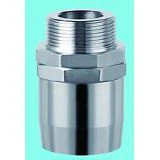
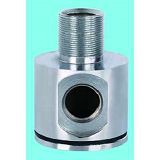
The burst pressure of specialty gas pipe fittings is a critical parameter that ensures the safety and efficiency of gas handling systems. As a supplier of Specialty Gas Pipe Fittings, I understand the importance of this aspect in various industries. In this blog, we will delve into what burst pressure is, how it is determined, and its significance in the context of specialty gas pipe fittings.
Understanding Burst Pressure
Burst pressure refers to the maximum pressure that a pipe fitting can withstand before it ruptures or fails catastrophically. It is a fundamental safety consideration, especially when dealing with gases, some of which can be highly volatile, flammable, or toxic. When the pressure inside the pipe exceeds the burst pressure, the fitting can break, leading to gas leaks, explosions, or other hazardous situations.
For specialty gas pipe fittings, which are designed to handle specific types of gases under unique conditions, the burst pressure is even more crucial. These fittings are used in industries such as semiconductor manufacturing, medical gas delivery, aerospace, and research laboratories, where precision, reliability, and safety are of utmost importance.
Factors Affecting Burst Pressure
Several factors influence the burst pressure of specialty gas pipe fittings. Understanding these factors can help users select the appropriate fittings for their applications and ensure the long - term integrity of their gas systems.
Material Properties
The material from which the pipe fitting is made plays a significant role in determining its burst pressure. Common materials for specialty gas pipe fittings include stainless steel, brass, and copper. Stainless steel is known for its high strength, corrosion resistance, and ability to withstand high pressures. Brass is also widely used due to its good machinability and moderate strength. Copper is valued for its excellent thermal and electrical conductivity, but it may have lower burst pressure compared to stainless steel in some cases.
The quality of the material, including its composition, grain structure, and heat treatment, can also affect the burst pressure. For example, a well - heat - treated stainless steel fitting will generally have better mechanical properties and a higher burst pressure than one that has not been properly heat - treated.
Wall Thickness
The wall thickness of the pipe fitting is directly related to its burst pressure. A thicker - walled fitting can withstand higher pressures because it has more material to resist the internal forces. However, increasing the wall thickness also increases the weight and cost of the fitting, so a balance must be struck between strength and practicality.
Design and Geometry
The design and geometry of the pipe fitting can have a significant impact on its burst pressure. Fittings with smooth internal surfaces and well - rounded transitions are less likely to develop stress concentrations, which can lead to premature failure. Additionally, the shape of the fitting, such as elbows, tees, and couplings, can affect the flow of gas and the distribution of pressure within the fitting.
Manufacturing Process
The manufacturing process used to produce the pipe fitting can also influence its burst pressure. Precision manufacturing techniques, such as machining and forging, can ensure consistent wall thickness and high - quality surface finishes, which are essential for achieving the desired burst pressure. In contrast, fittings produced using low - quality manufacturing processes may have defects, such as porosity or inclusions, that can weaken the fitting and reduce its burst pressure.
Determination of Burst Pressure
The burst pressure of specialty gas pipe fittings is typically determined through a combination of theoretical calculations and experimental testing.
Theoretical Calculations
Engineers can use mathematical models and formulas to estimate the burst pressure of pipe fittings based on their material properties, wall thickness, and geometry. For example, the Barlow's formula is commonly used to calculate the burst pressure of cylindrical pipes:
[P_b=\frac{2St}{D}]
where (P_b) is the burst pressure, (S) is the ultimate tensile strength of the material, (t) is the wall thickness, and (D) is the outer diameter of the pipe.
However, this formula provides only an approximation, as it assumes a homogeneous and isotropic material and a simple cylindrical geometry. In reality, pipe fittings are often more complex in shape, and their material properties may vary due to manufacturing processes.
Experimental Testing
To obtain accurate burst pressure values, experimental testing is essential. This involves subjecting the pipe fitting to increasing internal pressure until it fails. The test is typically conducted in a controlled environment using specialized equipment, such as hydraulic or pneumatic pressure testing machines.
During the test, the pressure is gradually increased at a specified rate, and the pressure at which the fitting ruptures is recorded as the burst pressure. Multiple tests are usually performed on different samples of the same fitting to ensure the reliability of the results.
Significance of Burst Pressure in Specialty Gas Applications
In specialty gas applications, the burst pressure of pipe fittings is of utmost importance for several reasons.


Safety
Safety is the primary concern when dealing with gases. A sudden rupture of a pipe fitting can release large amounts of gas, which can be dangerous to personnel and the environment. For example, in a medical gas delivery system, a burst fitting can lead to a shortage of oxygen for patients, while in a semiconductor manufacturing facility, a leak of toxic gases can cause serious health problems for workers.
By ensuring that the pipe fittings have a high enough burst pressure, the risk of catastrophic failure can be minimized, protecting the lives and health of people in the vicinity of the gas system.
System Integrity
The burst pressure also affects the overall integrity of the gas system. A fitting with a low burst pressure may fail under normal operating conditions or during minor pressure fluctuations, leading to leaks and system downtime. This can result in significant financial losses due to production interruptions, product waste, and the cost of repairs.
On the other hand, using pipe fittings with a sufficient burst pressure can ensure the long - term reliability and stability of the gas system, reducing the need for frequent maintenance and replacements.
Compliance with Standards
Many industries have strict regulations and standards regarding the use of pipe fittings in gas systems. These standards often specify the minimum burst pressure requirements for different types of fittings. By using pipe fittings that meet or exceed these standards, companies can ensure compliance with the law and avoid potential fines and penalties.
Our Offerings as a Supplier
As a supplier of Specialty Gas Pipe Fittings, we are committed to providing high - quality products that meet the most stringent safety and performance requirements. Our fittings are made from premium materials, such as stainless steel and brass, and are manufactured using state - of - the - art processes to ensure consistent quality and high burst pressure.
We also offer a wide range of Fuel Dispenser Connector Fittings and Fuel Dispenser Hose for applications in the fuel industry. These products are designed to handle the high pressures and harsh conditions associated with fuel dispensing, ensuring reliable and safe operation.
Contact for Purchase and Consultation
If you are in need of specialty gas pipe fittings or have any questions about burst pressure and its significance in your application, we encourage you to contact us. Our team of experts is ready to provide you with the information and support you need to make the right choice for your gas handling system. Whether you are a small business or a large industrial corporation, we can offer customized solutions to meet your specific requirements.
References
- ASME B31.3 Process Piping Code
- ASTM Standards for Pipe Fittings
- Manufacturer's Technical Data Sheets for Pipe Fittings