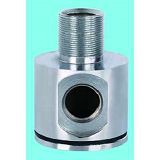
As a shut off valve supplier, I often get asked about the temperature range of these valves. It's a crucial question because the temperature can significantly impact the performance and lifespan of the valve. In this blog, I'll break down the temperature ranges for different types of shut off valves and explain why it matters.
First off, let's understand why temperature is such a big deal. Shut off valves are used in a wide range of industries, from oil and gas to water treatment. They're designed to control the flow of fluids, and the temperature of those fluids can vary greatly. If a valve isn't designed to handle the temperature of the fluid it's controlling, it can lead to all sorts of problems. For example, high temperatures can cause the valve materials to expand, which might lead to leaks or even valve failure. On the other hand, extremely low temperatures can make the materials brittle, increasing the risk of cracking.
Now, let's talk about the different types of shut off valves and their temperature ranges.
Ordinary Rupture Valve
The Ordinary Rupture Valve is a common type of shut off valve. It's designed to rupture and stop the flow of fluid when a certain pressure or temperature is reached. The temperature range for an ordinary rupture valve typically depends on the materials used in its construction. Most of these valves can handle temperatures from -20°C to 80°C. However, some high - performance models can withstand temperatures up to 150°C. This wide range makes them suitable for many applications, but it's important to choose the right valve for your specific temperature requirements.
Vapor Recovery Pull Off Valve
The Vapor Recovery Pull Off Valve is used in applications where vapor recovery is important, such as in fueling stations. These valves are designed to prevent the release of vapors into the atmosphere. The temperature range for a vapor recovery pull off valve is usually between -40°C and 60°C. The lower end of the range is important because these valves are often used in cold environments, like in northern regions. The upper limit is set to ensure that the valve doesn't malfunction due to overheating.
Emergency Dual Shut Off Valve
The Emergency Dual Shut Off Valve is a critical safety device. It's designed to quickly shut off the flow of fluid in case of an emergency. The temperature range for this type of valve can be quite wide, depending on the application. In general, it can handle temperatures from -50°C to 120°C. This wide range allows it to be used in a variety of industries, including aerospace and chemical processing, where extreme temperatures are common.
When choosing a shut off valve, it's not just about the temperature range. You also need to consider other factors such as the type of fluid, the pressure, and the flow rate. For example, if you're dealing with a corrosive fluid, you'll need a valve made from materials that can resist corrosion. Similarly, if the fluid is under high pressure, you'll need a valve that can handle that pressure without leaking.


Another important thing to keep in mind is that the temperature range of a valve can change over time. Factors like wear and tear, exposure to chemicals, and improper installation can all affect the valve's ability to handle different temperatures. That's why it's important to regularly inspect and maintain your shut off valves to ensure they're working properly.
So, how do you know which shut off valve is right for your application? Well, the first step is to determine the temperature range of the fluid you'll be controlling. Once you have that information, you can start looking at valves that can handle those temperatures. You should also consider the other factors I mentioned earlier, such as the type of fluid and the pressure.
If you're still not sure which valve is right for you, don't worry. As a shut off valve supplier, I'm here to help. I have a team of experts who can analyze your specific requirements and recommend the best valve for your application. We offer a wide range of shut off valves, including the ones I mentioned above, and we can provide you with all the information you need to make an informed decision.
If you're interested in purchasing shut off valves or have any questions about our products, feel free to reach out. We're always happy to have a chat and discuss how we can meet your needs. Whether you're a small business or a large industrial company, we have the right valve for you.
In conclusion, understanding the temperature range of a shut off valve is crucial for ensuring its proper operation and longevity. By choosing the right valve for your application and maintaining it properly, you can avoid costly breakdowns and ensure the safety of your operations. So, if you're in the market for a shut off valve, don't hesitate to contact us. We're here to make the process as easy and stress - free as possible.
References
- "Valve Handbook: Principles and Applications" by J. R. Arnold
- "Industrial Valves: Selection and Sizing" by J. S. Tuzson