As a supplier of fuel hose couplers, I often encounter inquiries about the various shapes these couplers come in. The shape of a fuel hose coupler is not just a matter of aesthetics; it is intricately linked to its functionality, compatibility, and the specific requirements of different applications. In this blog, I will delve into the common shapes of fuel hose couplers, their advantages, and where they are best utilized.
Circular Couplers
Circular fuel hose couplers are perhaps the most widely used shape in the industry. Their simplicity and versatility make them a go - to choice for many applications. The circular design allows for a uniform distribution of pressure around the circumference of the connection. This is crucial in preventing leaks, as the pressure is evenly applied, reducing the risk of weak spots.
One of the key advantages of circular couplers is their ease of installation. They can be easily aligned with the hose and tightened using standard tools. This makes them suitable for both professional installers and DIY enthusiasts. Circular couplers are commonly used in automotive applications, such as connecting the fuel line to the engine. They are also widely used in small - scale industrial settings where a reliable and easy - to - install fuel connection is required.
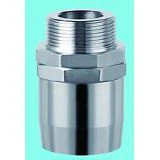
If you are looking for a circular hose fitting connector for fuel, you can check out our Hose Fitting Connector for Fuel. This product offers a high - quality circular coupler that is designed to meet the strictest industry standards.
Rectangular Couplers
Rectangular fuel hose couplers are less common than circular ones but have their own unique advantages. The rectangular shape allows for a larger surface area of contact between the coupler and the hose. This can be beneficial in applications where a high - pressure seal is required. The increased surface area distributes the pressure more evenly, reducing the likelihood of leaks.
Rectangular couplers are often used in industrial applications where large - diameter hoses are employed. For example, in fuel storage facilities, rectangular couplers can be used to connect large - capacity fuel tanks to the distribution system. They are also used in some specialized automotive applications, such as high - performance racing cars, where a more secure and pressure - resistant connection is needed.
Triangular Couplers
Triangular fuel hose couplers are a relatively niche shape. The triangular design provides a unique stability and strength. The three - point contact of the triangular coupler distributes the pressure in a way that is different from circular or rectangular couplers. This can be advantageous in applications where the coupler needs to withstand uneven forces or vibrations.
Triangular couplers are commonly used in marine applications. The constant movement and vibrations in a marine environment require a coupler that can maintain a secure connection. The triangular shape helps to prevent the coupler from loosening due to the movement of the boat. They are also used in some high - vibration industrial applications, such as in mining equipment.
Specialized Shapes
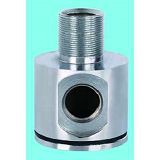
In addition to the common shapes mentioned above, there are also specialized fuel hose couplers designed for specific applications. For example, some couplers are designed with a multi - plane swivel. The Multi Plane Swivel allows for greater flexibility in the connection. This is particularly useful in applications where the hose needs to move in multiple directions, such as in robotic fueling systems or in complex industrial machinery.


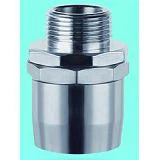
Another specialized shape is the new type of intermediate joint. The New Type Of Intermediate Joint is designed to provide a seamless connection between two hoses. It can be used to extend the length of a fuel hose or to connect hoses of different diameters. This type of joint is often used in large - scale fuel distribution systems.
Factors Influencing Shape Selection
When choosing the shape of a fuel hose coupler, several factors need to be considered. First and foremost is the application. Different applications have different requirements in terms of pressure, temperature, and movement. For example, in a high - pressure fuel system, a rectangular or triangular coupler may be more suitable due to their better pressure - distribution capabilities.
The type of fuel being used is also an important factor. Some fuels may be more corrosive than others, and the coupler material and shape need to be chosen accordingly. For example, in applications where ethanol - blended fuels are used, the coupler needs to be made of a material that is resistant to the corrosive effects of ethanol.
The size of the hose is another crucial factor. Larger hoses may require a coupler with a larger surface area of contact to ensure a secure connection. Smaller hoses, on the other hand, may be better suited to circular couplers, which are easier to install and can provide a reliable seal.
Conclusion
In conclusion, the shape of a fuel hose coupler plays a vital role in its performance and suitability for different applications. Circular couplers are the most common and versatile, while rectangular, triangular, and specialized shapes offer unique advantages for specific situations. As a supplier of fuel hose couplers, we understand the importance of providing the right shape for each customer's needs.
If you are in the market for fuel hose couplers, we encourage you to explore our range of products. Whether you need a standard circular coupler or a specialized multi - plane swivel, we have the solution for you. Contact us to discuss your specific requirements and start a procurement negotiation. We are committed to providing high - quality products and excellent customer service.
References
- Industry standards for fuel hose couplers
- Technical literature on fuel system design and components