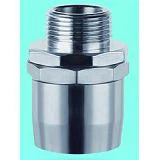
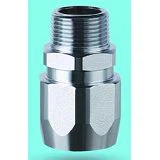
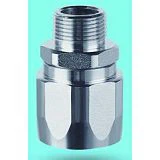
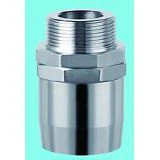
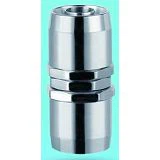
Selecting the right hardware for a high-traffic gas station involves more than just picking a standard connector. The Type C universal joint serves as a vital pivot point between the fuel gun and the rubber oil pipe, allowing for a multi-dimensional rotation of 360 degrees plus an additional 45-degree tilt. This flexibility is what prevents high-pressure hoses from kinking or twisting during a busy shift, which significantly extends the lifespan of the expensive rubber equipment. Constructed from heavy-duty zinc alloy or copper, these joints are built to withstand the harsh chemicals found in petroleum products without corroding or losing structural integrity. Inside, high-quality nitrile or fluororubber seals ensure that no vapor or liquid leaks out, even under constant movement. Unlike rigid adapters that put immense strain on the operator's wrist, this rotating structure makes the refueling process much more comfortable and reduces the risk of accidental pulling damage to the pump island. Recent industry updates suggest that demand for copper-based fittings is rising due to their superior conductivity and spark resistance in volatile environments.
Proper installation and maintenance are just as important as the initial material quality to ensure long-term reliability at the pump. To install a Type C universal joint, you should first ensure that the thread specifications-typically 1-inch or 3/4-inch NPT, G, or BSPT-match your existing nozzle and hose setup. Clean the threads of any old debris and apply a light layer of fuel-resistant thread sealant to guarantee an airtight fit. Hand-tighten the joint initially to avoid cross-threading, then use a wrench to secure it firmly, though you should avoid over-torquing which could crush the internal rubber seals. In the broader context of gas station maintenance, switching from static fittings to these universal types has become a standard practice for reducing operational downtime caused by burst or leaky hoses. Currently, raw material news indicates that the price of high-performance fluororubber is stabilizing, allowing manufacturers to offer better sealing performance at a more consistent price point for station owners. By regularly inspecting the joint for smooth rotation and signs of wear, owners can maintain a safer workspace and provide a better experience for their customers.