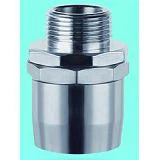
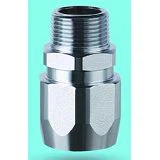
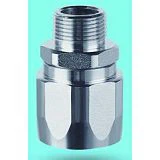
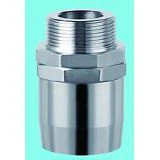
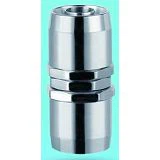
Ensuring the steady flow of fuel from a storage tank to a vehicle requires absolute precision at every single connection point within the system. Within the global fueling equipment industry, safety protocols now demand more than just automated sensors; they require reliable real-time monitoring to prevent environmental hazards and costly equipment failure. A low hanging oil sight serves as the primary visual monitoring barrier, allowing station operators to observe the actual movement of oil from the pipeline through the hose and into the fuel gun in real-time. These specialized devices are typically constructed from high-strength iron to withstand the constant physical impacts and heavy vibrations common in high-traffic commercial gas stations. Depending on the specific dispenser model, these sights are available in various thread configurations such as M33x1.5 or M35x1.5, making them fully compatible with international standards including BSPT, G, and NPT. By integrating this specific component into a pipeline, facility managers gain immediate intuitive control over the delivery status, ensuring that any air bubbles, liquid contamination, or flow irregularities are spotted immediately before they can reach the customer's vehicle.
When evaluating long-term reliability for fuel infrastructure, the internal sealing architecture of a low hanging oil sight is just as vital as its rugged outer shell. Professional-grade units generally offer two distinct material options for their seals: nitrile rubber for standard use or fluororubber for high-chemical resistance, allowing for flexible adaptation to different fuel types and extreme environmental temperatures. This robust sealing system fundamentally eliminates the risk of dangerous oil leakage at the joints. Unlike basic plastic alternatives that frequently crack under pressure or degrade when exposed to sunlight, these iron-based sights are engineered specifically for durability in the harshest outdoor working conditions. The "low-hanging" design is particularly beneficial because it facilitates rapid visual inspections by ground operators without needing to dismantle the pump housing. Installation remains a straightforward process, requiring no complex modifications as long as the internal and external thread types are matched correctly to the existing pipeline interface. As global raw material costs for industrial iron continue to shift, many station owners are prioritizing these low-maintenance accessories to avoid the massive expenses associated with emergency repairs and unaccounted fuel loss. Ultimately, selecting a high-precision monitoring joint is a small but essential investment in the overall safety and operational transparency of a fuel delivery system.