Can a Shut Off Valve be Used in a Fuel System?
In the realm of fuel systems, the question of whether a shut off valve can be used is not only valid but crucial for ensuring safety, efficiency, and regulatory compliance. As a trusted shut off valve supplier, we understand the significance of this component in fuel systems and are here to provide in - depth insights.
The Role of Shut Off Valves in Fuel Systems
Shut off valves play a pivotal role in fuel systems. Their primary function is to control the flow of fuel, allowing for the interruption of fuel supply when necessary. This can be in case of an emergency, maintenance, or to prevent over - filling. For example, in a large industrial fuel storage facility, a shut off valve can quickly stop the flow of fuel in the event of a leak or a malfunction, preventing potential disasters.
In automotive fuel systems, shut off valves are used to cut off the fuel supply to the engine in case of a collision. This helps to reduce the risk of fire and explosion, enhancing the safety of the vehicle and its occupants.
Types of Shut Off Valves Suitable for Fuel Systems
There are several types of shut off valves that can be used in fuel systems. Each type has its own unique features and applications.
Hexagonal Ordinary Pull - off Valve
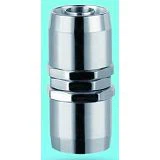
The Hexagonal Ordinary Pull - off Valve is a common choice for many fuel systems. It is designed to be easily operated, allowing for quick shut - off of the fuel flow. This valve is often used in smaller fuel systems, such as those in motorcycles or small boats. Its hexagonal shape makes it easy to grip and turn, even in tight spaces.
Vapor Recovery Pull Off Valve
The Vapor Recovery Pull Off Valve is specifically designed for fuel systems that require vapor recovery. This valve helps to capture and recycle fuel vapors, reducing emissions and improving the overall efficiency of the fuel system. It is commonly used in gasoline stations and large fuel storage facilities.
Ordinary Rupture Valve
The Ordinary Rupture Valve is a safety - critical component in fuel systems. It is designed to rupture at a predetermined pressure, allowing for the safe release of excess pressure in the fuel system. This valve is often used in high - pressure fuel systems, such as those in industrial boilers or large - scale fuel transportation pipelines.
Factors to Consider When Using Shut Off Valves in Fuel Systems
When considering the use of shut off valves in fuel systems, several factors need to be taken into account.


Compatibility
The shut off valve must be compatible with the type of fuel being used. Different fuels have different chemical properties, and using an incompatible valve can lead to corrosion, leaks, or other issues. For example, valves used in diesel fuel systems may need to be made of materials that are resistant to the higher sulfur content in diesel.
Pressure Rating
The pressure rating of the shut off valve is crucial. It must be able to withstand the maximum pressure that the fuel system can generate. If the pressure rating is too low, the valve may fail, leading to fuel leaks or other safety hazards.
Flow Rate
The flow rate of the shut off valve should match the requirements of the fuel system. If the flow rate is too low, it may not be able to supply the necessary amount of fuel to the engine or other components. On the other hand, if the flow rate is too high, it can cause excessive pressure in the system.
Installation and Maintenance of Shut Off Valves in Fuel Systems
Proper installation and maintenance of shut off valves are essential for their reliable operation.
Installation
During installation, it is important to follow the manufacturer's instructions carefully. The valve should be installed in a location that is easily accessible for operation and maintenance. It should also be installed in a way that ensures proper alignment and sealing to prevent leaks.
Maintenance
Regular maintenance of shut off valves is necessary to ensure their long - term performance. This includes inspecting the valve for signs of wear, corrosion, or damage, and replacing any worn or damaged parts. Lubrication of moving parts may also be required to ensure smooth operation.
Regulatory Compliance
Fuel systems are subject to various regulations and standards, and the use of shut off valves must comply with these requirements. For example, in many countries, fuel systems in vehicles and industrial facilities must meet specific safety standards. Using a shut off valve that meets these standards is not only a legal requirement but also helps to ensure the safety of the fuel system and the people using it.
Conclusion
In conclusion, shut off valves can and should be used in fuel systems. They are essential for controlling the flow of fuel, ensuring safety, and meeting regulatory requirements. As a shut off valve supplier, we offer a wide range of high - quality valves that are suitable for various fuel systems. Our Hexagonal Ordinary Pull - off Valve, Vapor Recovery Pull Off Valve, and Ordinary Rupture Valve are designed to meet the diverse needs of our customers.
If you are in the market for shut off valves for your fuel system, we encourage you to contact us for a detailed discussion. Our team of experts is ready to assist you in selecting the right valve for your specific requirements. Whether you are a small business or a large industrial facility, we have the solutions to meet your needs.
References
- "Fuel System Handbook", McGraw - Hill
- "Valve Technology and Applications", Wiley