Can Aluminium Fuel Nozzle Swivels be used in marine applications?
As a supplier of Aluminium Fuel Nozzle Swivels, I am often asked about the suitability of our products for marine applications. In this blog post, I will explore the potential of aluminium fuel nozzle swivels in the marine industry, considering their advantages, limitations, and the key factors to keep in mind.
Advantages of Aluminium Fuel Nozzle Swivels in Marine Applications
Lightweight and Corrosion Resistance
One of the primary advantages of aluminium fuel nozzle swivels is their lightweight nature. In the marine environment, weight is a critical factor, especially for vessels where every extra pound can affect fuel efficiency and performance. Aluminium is significantly lighter than many other metals, such as steel, making it an ideal choice for components that need to be moved or adjusted frequently.
Moreover, aluminium has excellent corrosion resistance, which is crucial in the harsh marine environment. The saltwater and high humidity can cause severe corrosion to metal components, leading to reduced functionality and increased maintenance costs. Aluminium forms a natural oxide layer on its surface, which acts as a protective barrier against corrosion, ensuring the longevity of the fuel nozzle swivels.
Flexibility and Maneuverability
Aluminium fuel nozzle swivels offer high flexibility and maneuverability, allowing for easy adjustment of the fuel nozzle's position. This is particularly important in marine applications, where the fueling process may require precise positioning of the nozzle to ensure a proper connection and efficient fuel transfer. The swivel joints enable the nozzle to be rotated and angled in multiple directions, providing greater flexibility and ease of use.
Cost - effectiveness
Compared to some other materials, aluminium is relatively cost - effective. This makes it an attractive option for marine operators looking to balance performance and cost. The lower cost of aluminium fuel nozzle swivels can result in significant savings, especially when outfitting multiple vessels or replacing existing components.
Limitations of Aluminium Fuel Nozzle Swivels in Marine Applications
Lower Strength than Some Metals
While aluminium is strong enough for many applications, it has a lower strength - to - weight ratio compared to materials like steel. In high - pressure or high - stress situations, such as in large - scale marine fueling operations with high - flow rates, the aluminium swivels may need to be carefully designed and sized to ensure they can withstand the forces involved.
Potential for Galvanic Corrosion
Although aluminium has good corrosion resistance on its own, it can be susceptible to galvanic corrosion when in contact with other metals. In the marine environment, where different metals are often used in close proximity, proper insulation and protection measures need to be taken to prevent galvanic corrosion between the aluminium fuel nozzle swivels and other components.


Key Factors to Consider for Using Aluminium Fuel Nozzle Swivels in Marine Applications
Compatibility with Fuel Types
Marine fuels can vary in composition, including different grades of diesel, gasoline, and biofuels. It is essential to ensure that the aluminium fuel nozzle swivels are compatible with the specific fuel types used in the marine application. Some fuels may contain additives or contaminants that could potentially react with the aluminium, leading to corrosion or other issues.
Pressure and Flow Requirements
The pressure and flow requirements of the marine fueling system need to be carefully considered. Aluminium fuel nozzle swivels should be selected based on the maximum pressure and flow rate of the system to ensure they can operate safely and efficiently. Overloading the swivels can lead to premature failure and potential safety hazards.
Environmental Conditions
The marine environment is characterized by a wide range of environmental conditions, including temperature variations, humidity, and exposure to saltwater. The aluminium fuel nozzle swivels should be designed to withstand these conditions. For example, they may need to be coated or treated to enhance their corrosion resistance and durability in extreme temperatures.
Our Aluminium Fuel Nozzle Swivels
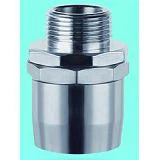
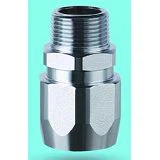
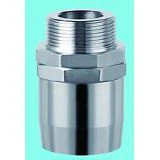
At our company, we offer a range of high - quality aluminium fuel nozzle swivels that are designed to meet the specific needs of marine applications. Our Fuel Nozzle Swivel products are made from high - grade aluminium, ensuring excellent corrosion resistance and lightweight performance.
We also provide Multi Plane Swivel options, which offer enhanced flexibility and maneuverability. These swivels can be rotated in multiple planes, allowing for precise positioning of the fuel nozzle in various marine fueling scenarios.
In addition, our Fuel Nozzle Swivel Joint is designed to provide a secure and leak - free connection, ensuring the efficient transfer of fuel. We take great care in the manufacturing process to ensure that our products meet the highest quality standards.
Conclusion
In conclusion, aluminium fuel nozzle swivels can be a viable option for marine applications, offering several advantages such as lightweight, corrosion resistance, flexibility, and cost - effectiveness. However, it is important to consider the limitations and key factors mentioned above to ensure their proper use and performance.
If you are interested in our aluminium fuel nozzle swivels for your marine applications, we encourage you to contact us for further information and to discuss your specific requirements. We are committed to providing high - quality products and excellent customer service to help you meet your fueling needs in the marine industry.
References
- Smith, J. (2018). "Materials for Marine Applications". Marine Engineering Journal, 25(3), 123 - 135.
- Johnson, A. (2019). "Fueling Systems in the Marine Industry". Marine Technology Review, 32(2), 89 - 98.
- Brown, C. (2020). "Advantages and Disadvantages of Aluminium in Marine Components". Marine Materials Science, 18(4), 201 - 210.