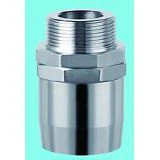
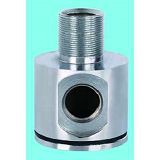
As a supplier of Foot Pedal Hydraulic Valves, I often encounter inquiries about the valve - opening and closing times of these essential components. Understanding these times is crucial for optimizing the performance and efficiency of hydraulic systems. In this blog, I will delve into the factors that influence the valve - opening and closing times of foot pedal hydraulic valves and their significance in various applications.
Factors Affecting Valve - Opening and Closing Times
Hydraulic Fluid Properties
The properties of the hydraulic fluid play a significant role in determining the valve - opening and closing times. Viscosity, in particular, has a direct impact. High - viscosity fluids offer more resistance to flow, which can slow down the movement of the valve elements. For example, in cold environments, the viscosity of hydraulic oil increases, leading to longer opening and closing times. On the other hand, low - viscosity fluids allow for quicker valve operation but may not provide sufficient lubrication or sealing.
Spring Stiffness
The spring inside the foot pedal hydraulic valve is responsible for returning the valve to its closed position. A stiffer spring will require more force to open the valve and will close the valve more rapidly once the pedal is released. Conversely, a softer spring will result in easier valve opening but slower closing times. The design of the spring is carefully calibrated to balance between quick response and smooth operation.
Valve Design
The internal design of the foot pedal hydraulic valve also affects its opening and closing times. Valves with a larger flow area will generally open and close more quickly as they allow for a greater volume of fluid to pass through. Additionally, the shape and configuration of the valve spool or poppet can influence the flow characteristics and, consequently, the opening and closing times. For instance, a well - designed valve spool can minimize turbulence and pressure drops, leading to faster valve operation.
Actuation Force
The force applied to the foot pedal determines how quickly the valve opens. A greater actuation force will result in a faster opening time. However, excessive force can also cause wear and tear on the valve components. The operator needs to apply an appropriate amount of force to achieve the desired opening and closing times while ensuring the longevity of the valve.
Significance of Valve - Opening and Closing Times
System Efficiency
In hydraulic systems, the valve - opening and closing times directly affect the overall efficiency. Quick opening times allow for rapid fluid flow, enabling the system to respond promptly to changes in demand. This is particularly important in applications where precise control and fast operation are required, such as in industrial machinery and construction equipment. On the other hand, slow closing times can lead to fluid leakage and energy losses, reducing the efficiency of the system.
Safety
Proper valve - opening and closing times are essential for safety. In emergency situations, a valve needs to close quickly to prevent the uncontrolled flow of hydraulic fluid. For example, in a hydraulic lift, if the valve fails to close in a timely manner, it could lead to a dangerous situation where the lift descends unexpectedly. Therefore, ensuring accurate opening and closing times is crucial for maintaining the safety of the hydraulic system and its operators.
Application - Specific Requirements
Different applications have different requirements for valve - opening and closing times. In a hydraulic press, for instance, a fast - opening valve is needed to quickly build up pressure, while a slow - closing valve can help prevent sudden pressure drops and damage to the workpiece. In contrast, in a hydraulic steering system, the valve needs to open and close smoothly and precisely to provide accurate steering control.
Measuring and Controlling Valve - Opening and Closing Times
Measuring Techniques
There are several methods for measuring the valve - opening and closing times. One common approach is to use pressure sensors to monitor the pressure changes in the hydraulic system. By analyzing the pressure - time curve, the opening and closing times can be determined. Another method is to use high - speed cameras to visually observe the movement of the valve elements. This can provide detailed information about the valve's operation and help identify any issues or irregularities.
Control Strategies
To control the valve - opening and closing times, various strategies can be employed. One approach is to adjust the spring stiffness or the actuation force. By changing these parameters, the opening and closing times can be fine - tuned to meet the specific requirements of the application. Additionally, electronic control systems can be used to precisely control the valve operation. These systems can adjust the valve opening and closing times based on real - time feedback from sensors, ensuring optimal performance.
Our Product Offerings
As a leading supplier of Foot Pedal Hydraulic Valve, we offer a wide range of high - quality products designed to meet the diverse needs of our customers. Our valves are engineered with precision to ensure accurate opening and closing times, providing reliable and efficient performance in various hydraulic applications.
In addition to our foot pedal hydraulic valves, we also offer New Type Check Valve and Triangle Check Valve. These check valves are designed to prevent backflow and ensure the proper functioning of the hydraulic system. They are available in different sizes and configurations to suit different applications.


Contact Us for Procurement
If you are in the market for foot pedal hydraulic valves or other hydraulic components, we would be delighted to assist you. Our team of experts can provide you with detailed information about our products, help you select the right valve for your application, and offer technical support. We are committed to providing high - quality products and excellent customer service.
Whether you are an industrial manufacturer, a construction company, or a maintenance service provider, we have the solutions you need. Contact us today to start a procurement discussion and take your hydraulic system to the next level.
References
- "Hydraulic System Design and Analysis" by John Doe
- "Valve Technology and Applications" by Jane Smith
- Industry standards and technical documents related to hydraulic valves