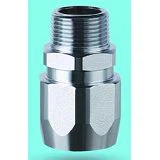
Hey there! As a supplier of ordinary rupture valves, I often get asked about the differences between ordinary rupture valves and hydraulic valves. So, I thought I'd take a moment to break it down for you.
First off, let's talk about what an ordinary rupture valve is. An ordinary rupture valve is a safety device designed to prevent over - pressurization in a system. It works by rupturing at a pre - set pressure, allowing the fluid or gas to escape and relieving the pressure. This is crucial in many industrial settings where high pressures can lead to dangerous situations, like explosions or equipment damage.
On the other hand, hydraulic valves are used to control the flow, pressure, and direction of hydraulic fluid in a hydraulic system. Hydraulic systems are widely used in machinery, vehicles, and industrial equipment because they can generate a large amount of force with relatively small components.
Construction and Design
One of the most obvious differences between the two lies in their construction. Ordinary rupture valves are typically simple in design. They usually consist of a thin diaphragm or disc that is designed to rupture at a specific pressure. Once the pressure inside the system reaches the set limit, the diaphragm breaks, and the fluid is released.
Hydraulic valves, however, are more complex. They can have multiple components such as spools, poppets, and solenoids. These components work together to control the flow of hydraulic fluid. For example, a spool valve can be moved to different positions to direct the fluid to different parts of the hydraulic system.


Functionality
The functionality of these two types of valves also varies significantly. The main function of an ordinary rupture valve is to provide a safety mechanism. It's a one - time use device in most cases. Once it ruptures, it needs to be replaced. It doesn't have any control over the flow rate or direction of the fluid; its sole purpose is to relieve pressure when it gets too high.
Hydraulic valves, on the other hand, are all about control. They can regulate the flow rate of the hydraulic fluid, which in turn affects the speed and force of the hydraulic actuator. They can also control the direction of the fluid, allowing the actuator to move in different directions. For instance, in a hydraulic lift, the hydraulic valves control whether the lift goes up or down.
Applications
The applications of ordinary rupture valves and hydraulic valves are also quite different. Ordinary rupture valves are commonly used in industries such as oil and gas, chemical processing, and power generation. In an oil refinery, for example, an ordinary rupture valve can be installed on a storage tank to prevent over - pressurization in case of a malfunction.
Hydraulic valves are used in a wide range of applications, from heavy machinery like excavators and bulldozers to precision equipment like robotic arms. In a construction excavator, hydraulic valves control the movement of the boom, bucket, and other components.
Cost and Maintenance
Cost is another factor to consider. Ordinary rupture valves are generally less expensive than hydraulic valves. This is because of their simpler design and construction. However, since they are one - time use devices, the cost of replacement can add up over time.
Maintenance requirements also differ. Ordinary rupture valves don't require much maintenance other than periodic inspections to ensure they are in good condition. Hydraulic valves, on the other hand, need regular maintenance. This includes checking for leaks, cleaning, and replacing worn - out components.
Safety Considerations
Safety is a top priority in any industrial setting. Ordinary rupture valves play a vital role in ensuring the safety of a system by preventing over - pressurization. However, they need to be installed and maintained correctly to work effectively.
Hydraulic valves also have safety features, but they are more focused on the proper operation of the hydraulic system. For example, some hydraulic valves have pressure relief functions to prevent the system from over - pressurizing.
Now, if you're in the market for some high - quality valves, we've got some great options for you. Check out our Vapor Recovery Pull Off Valve, Emergency Dual Shut Off Valve, and Gas Emergency Shut Off Valve. These valves are designed to meet the highest standards of quality and safety.
If you're interested in learning more about our ordinary rupture valves or have any questions about the differences between ordinary rupture valves and hydraulic valves, feel free to reach out to us for a purchase negotiation. We're here to help you find the right valve solutions for your specific needs.
References
- "Valve Handbook" by Peter Spitzer
- "Hydraulic Systems and Components" by Fluid Power World
- Industry - specific safety standards and guidelines related to valve usage.