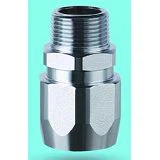
As a supplier of Fuel Nozzle Couplings, I often get asked about the best ways to store these essential components. Proper storage isn't just about keeping them in a corner; it's crucial for maintaining the quality and functionality of the couplings. In this blog, I'll share some practical tips on how to store a fuel nozzle coupling properly.
Why Proper Storage Matters
Before we dive into the storage methods, let's talk about why it's so important. Fuel nozzle couplings are precision parts. They're designed to connect fuel hoses to nozzles securely and prevent leaks. If they're not stored correctly, they can get damaged, corroded, or contaminated. This can lead to malfunctions, safety hazards, and ultimately, costs for replacement and maintenance.
Clean Before Storage
The first step in proper storage is cleaning. Before you put the fuel nozzle couplings away, make sure they're free from dirt, debris, and any fuel residues. You can use a mild detergent and a soft brush to clean the couplings. Rinse them thoroughly with clean water and dry them completely. This helps prevent corrosion and ensures that the couplings are in good condition when you need to use them again.
Choose the Right Environment
The storage environment plays a huge role in the longevity of fuel nozzle couplings. Here are some key factors to consider:
Temperature: Extreme temperatures can damage the materials of the couplings. Ideally, store them in a place where the temperature is relatively stable. Avoid areas that get too hot, like near furnaces or direct sunlight, or too cold, like unheated garages in winter. A temperature range of around 50°F to 80°F (10°C to 27°C) is usually good.
Humidity: High humidity can cause rust and corrosion. Try to keep the storage area dry. You can use dehumidifiers if necessary. If you live in a particularly humid climate, consider storing the couplings in airtight containers with desiccants to absorb moisture.
Ventilation: Good ventilation is important to prevent the buildup of fumes or gases. If there's any residual fuel on the couplings, proper ventilation will help dissipate the vapors, reducing the risk of fire or explosion.
Use Protective Packaging
Once the couplings are clean and dry, it's time to package them properly. Here are some options:
Plastic Bags: You can use sealed plastic bags to keep the couplings clean and protected from dust. Make sure to squeeze out as much air as possible before sealing the bags. If you're storing multiple couplings, you can label each bag to keep track of them easily.
Foam Inserts: If you have a storage case, using foam inserts can provide extra protection. The foam can cushion the couplings and prevent them from bumping into each other, which could cause damage. You can cut the foam to fit the shape of the couplings for a snug fit.
Original Packaging: If the couplings came with their original packaging, it's a great idea to use it for storage. The original packaging is usually designed to protect the product during shipping, so it should work well for long - term storage too.
Organize Your Storage
Keeping your fuel nozzle couplings organized makes it easier to find the right one when you need it. You can use shelves, drawers, or storage cabinets. Label each section clearly with the type, size, or model of the couplings. This way, you can quickly locate the coupling you need without rummaging through a messy storage area.
Avoid Contact with Harsh Materials
Some materials can react with the metal or plastic components of the fuel nozzle couplings. For example, do not store them on surfaces that are coated with paints or chemicals that could corrode the couplings. Also, keep them away from sharp objects that could scratch or damage the surfaces.


Regular Checks
Even if you've stored the couplings properly, it's a good idea to check on them periodically. Every few months, take a look at the couplings to make sure they're still in good condition. Look for signs of corrosion, damage, or any other issues. If you notice any problems, address them immediately to prevent further deterioration.
Compatibility with Other Products
If you're also storing other fuel - related products like hoses and swivels, make sure they're all compatible. For instance, you might be interested in Hose Fitting Connector for Fuel, Fuel Nozzle Swivel, or Universal Joint for Fuel Hose Nozzle. These products should be stored in a way that they don't interact negatively with each other.
Conclusion
Proper storage of fuel nozzle couplings is essential for maintaining their quality and ensuring their proper functioning. By following these tips on cleaning, choosing the right environment, using protective packaging, organizing your storage, avoiding contact with harsh materials, and conducting regular checks, you can extend the lifespan of your couplings.
If you're in the market for high - quality fuel nozzle couplings or have any questions about storage or usage, don't hesitate to reach out. We're here to help with all your fuel nozzle coupling needs and are ready to discuss your specific requirements. Whether you're a small - scale user or a large - scale business, we've got the products and expertise to meet your demands.
References
- Standard industry guidelines for fuel system component storage.
- Manufacturer's recommendations for fuel nozzle coupling maintenance and storage.